Portfolio item number 1
Short description of portfolio item number 1

Short description of portfolio item number 1
Short description of portfolio item number 2
Published in The Astrophysical Journal Letters, Volume 916, Issue 2, id.L23, 7 pp., 2021
with Sirio Belli and Rainer Weinberger
Download Paper | See in ADS | See Figures
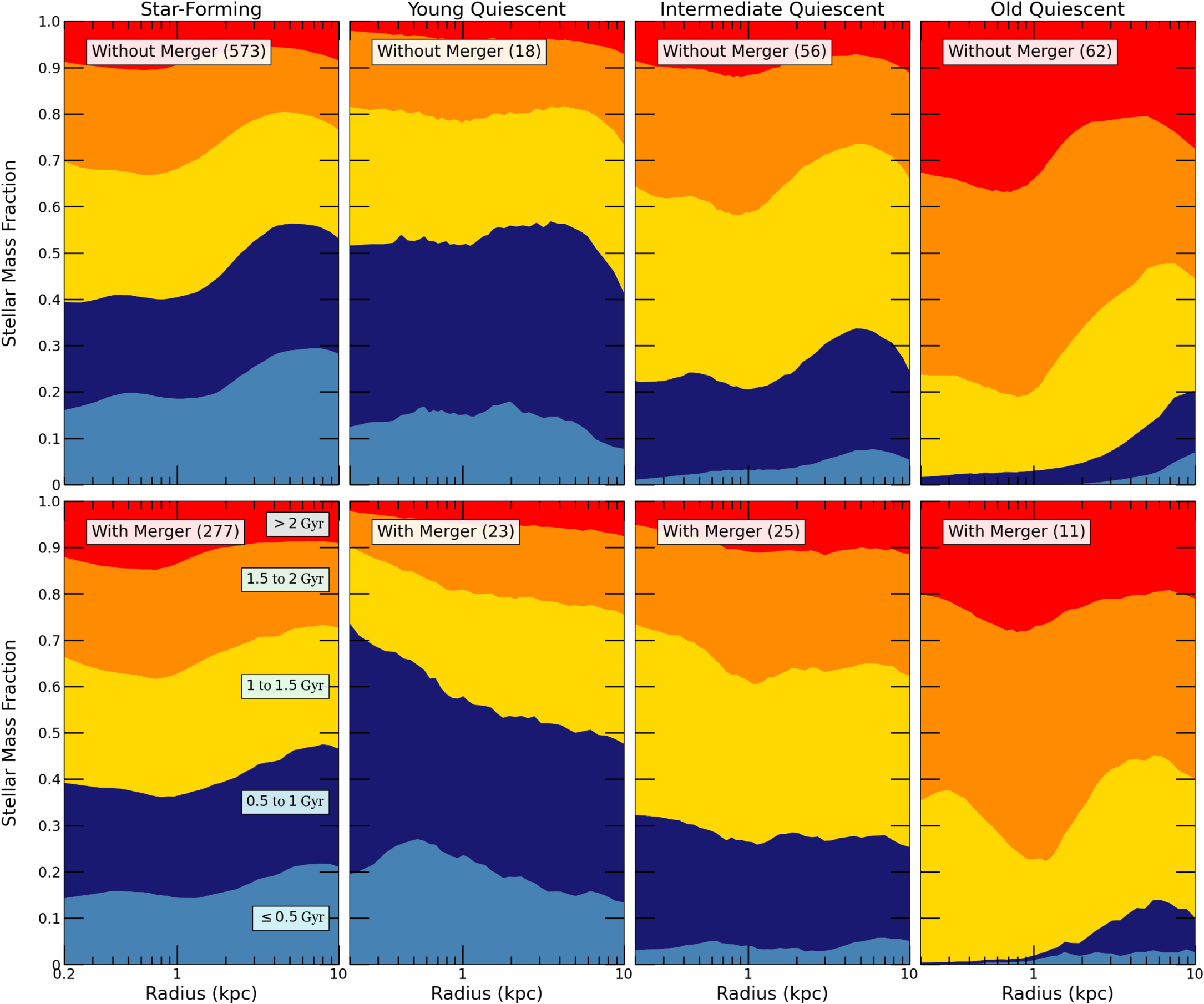
Using the IllustrisTNG cosmological galaxy formation simulations, we analyze the physical properties of young quiescent galaxies at z = 2 with stellar masses above 1010.5 M☉. This key population provides an unaltered probe into the evolution of galaxies from star-forming to quiescent, and has been recently targeted by several observational studies. Young quiescent galaxies in the simulations do not appear unusually compact, in tension with observations, but they show unique age profiles that are qualitatively consistent with the observed color gradients. In particular, more than half of the simulated young quiescent galaxies show positive age gradients due to recent intense central starbursts, which are triggered by significant mergers. Yet, there is a sizable population of recently quenched galaxies without significant mergers and with flat age profiles. Our results suggest that mergers play a fundamental role in structural transformation, but are not the only available pathway to quench a z = 2 galaxy.
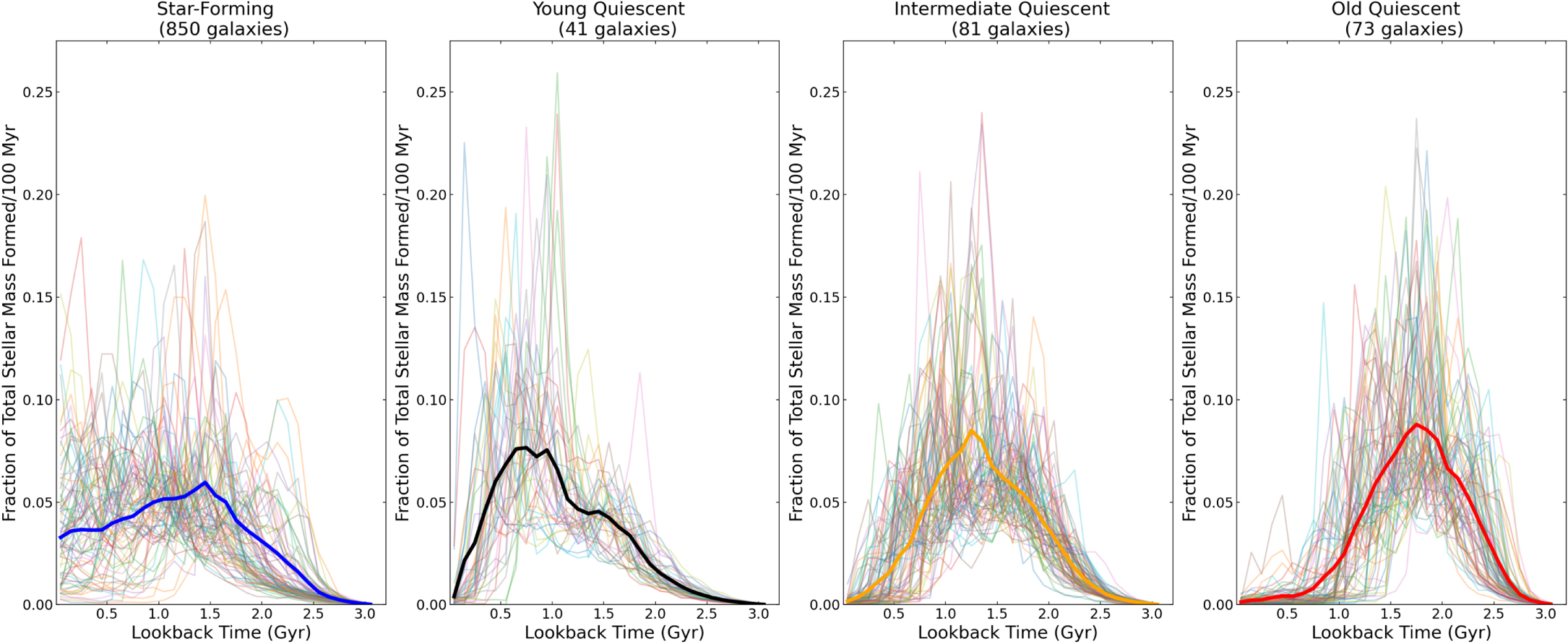
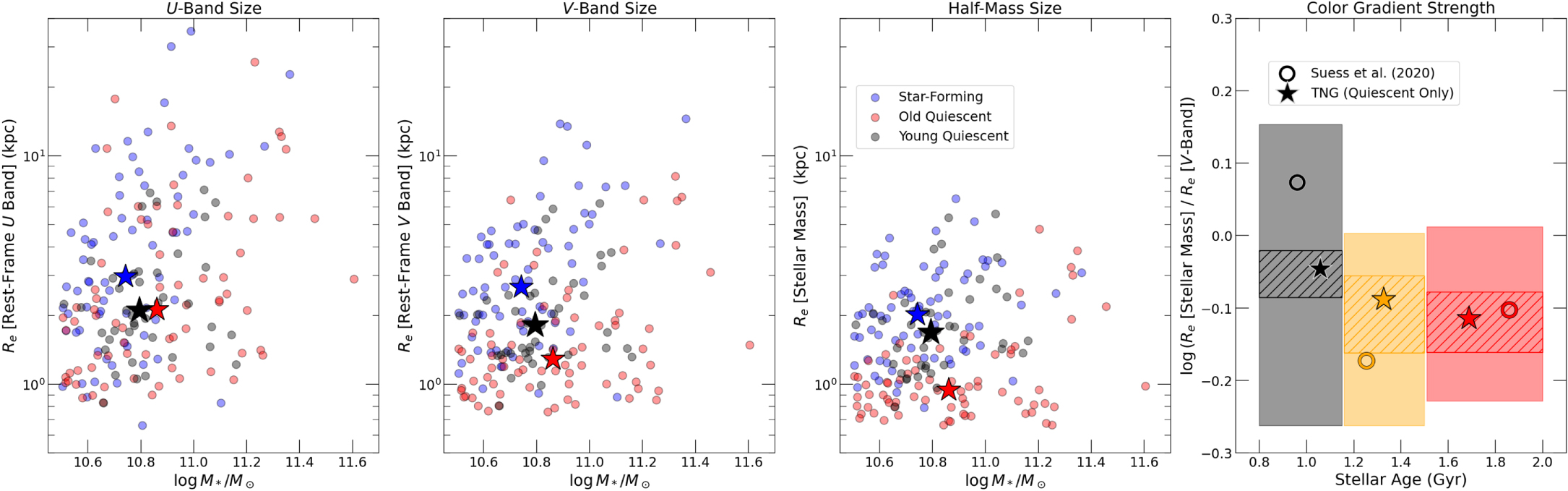
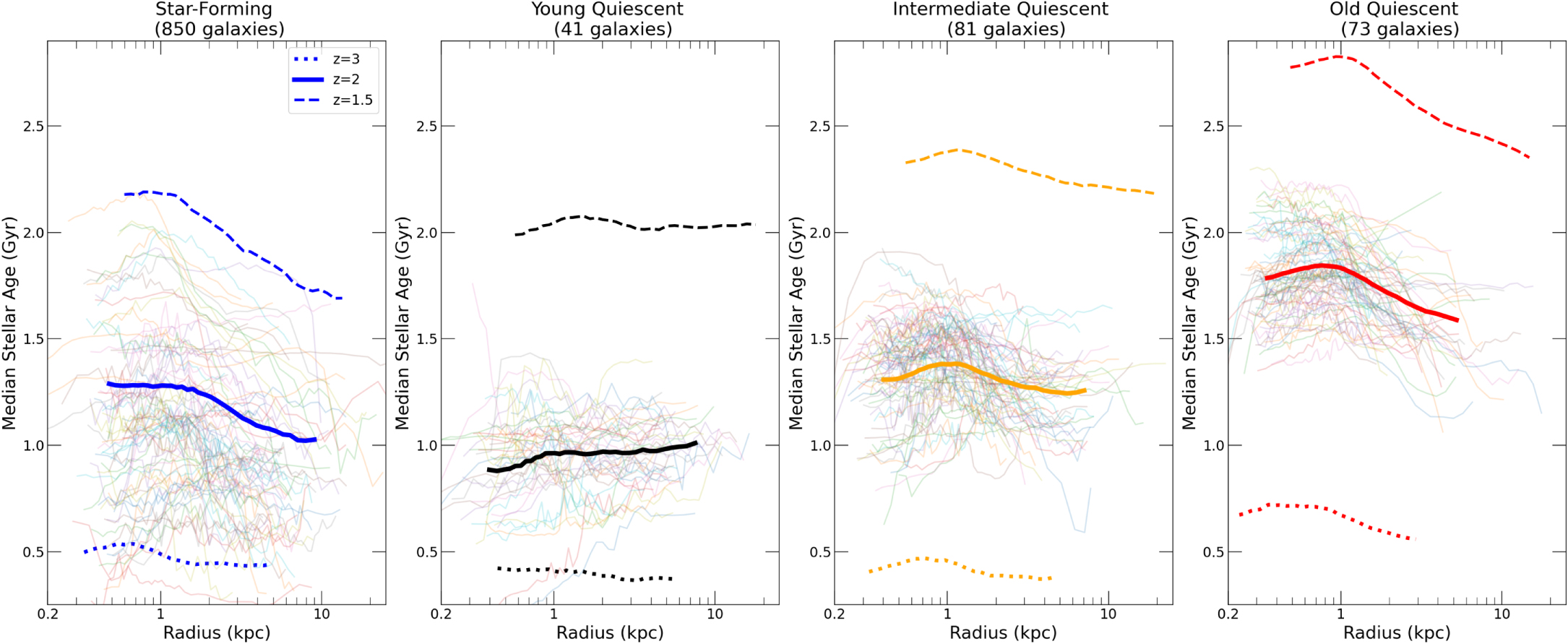
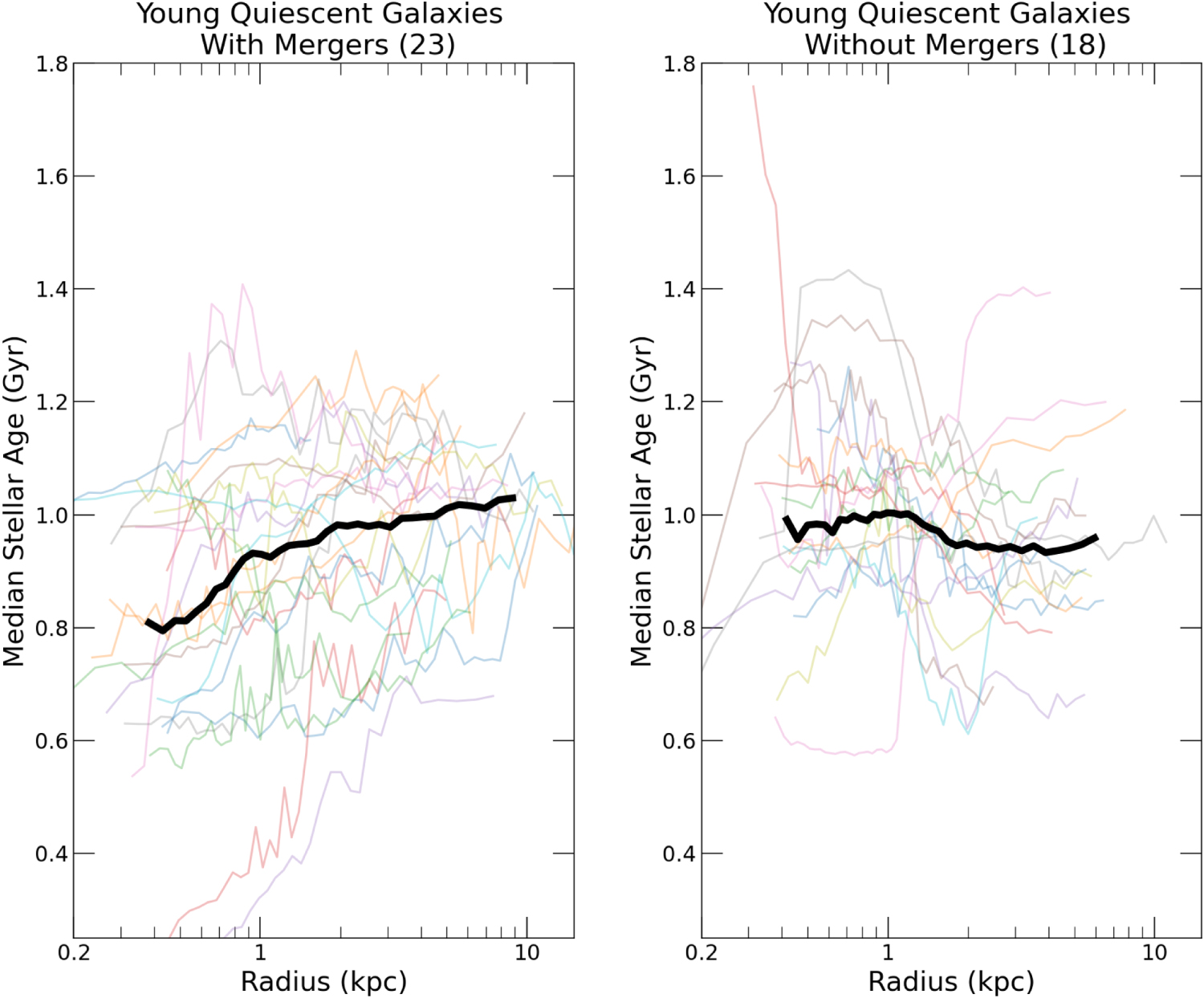
Published in The Astronomical Journal, Volume 167, Issue 1, id.39, 31 pp., 2024
with Adam K. Leroy, Todd A. Thompson, Laura A. Lopez, et al.
Download Paper | See in ADS | See Figures
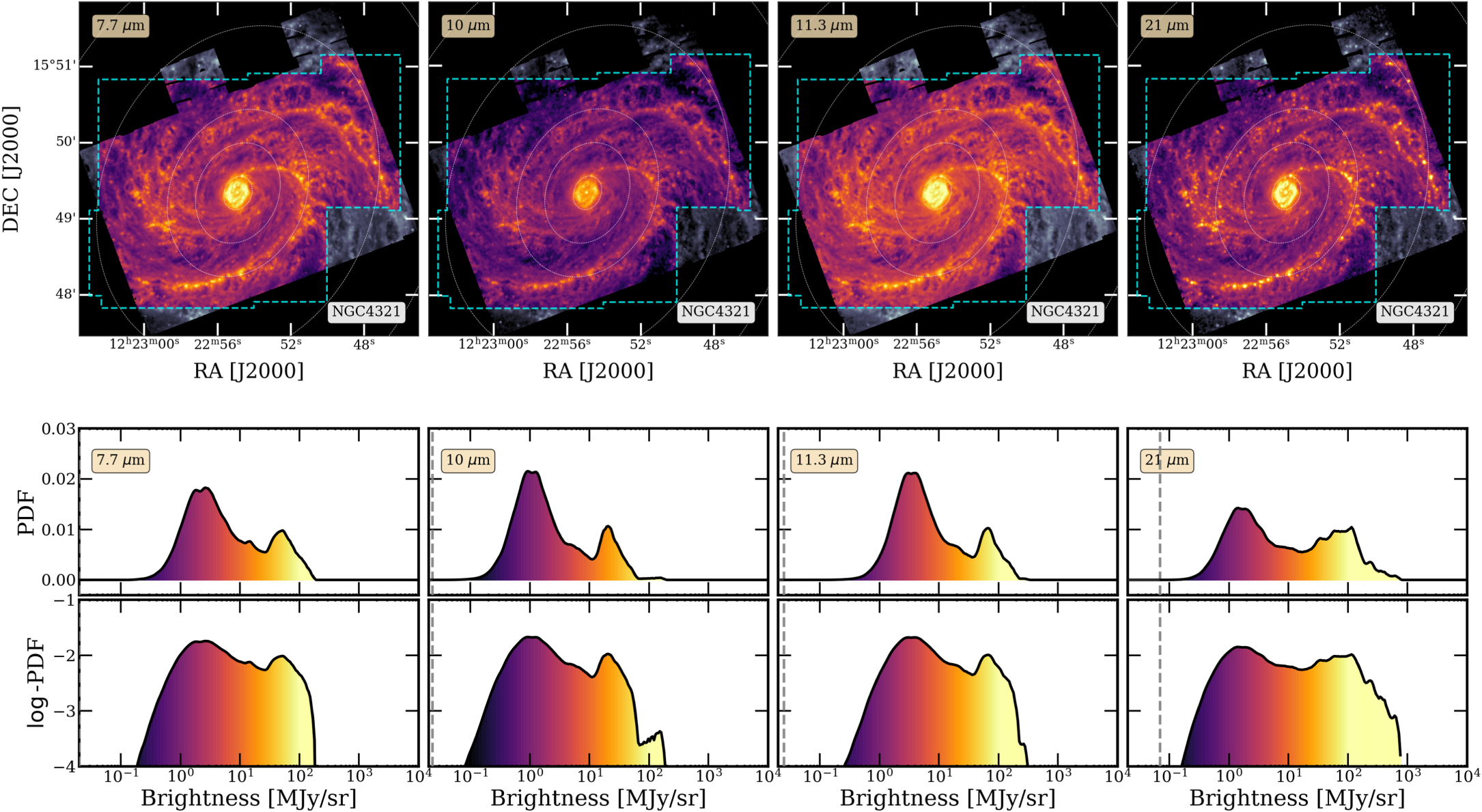
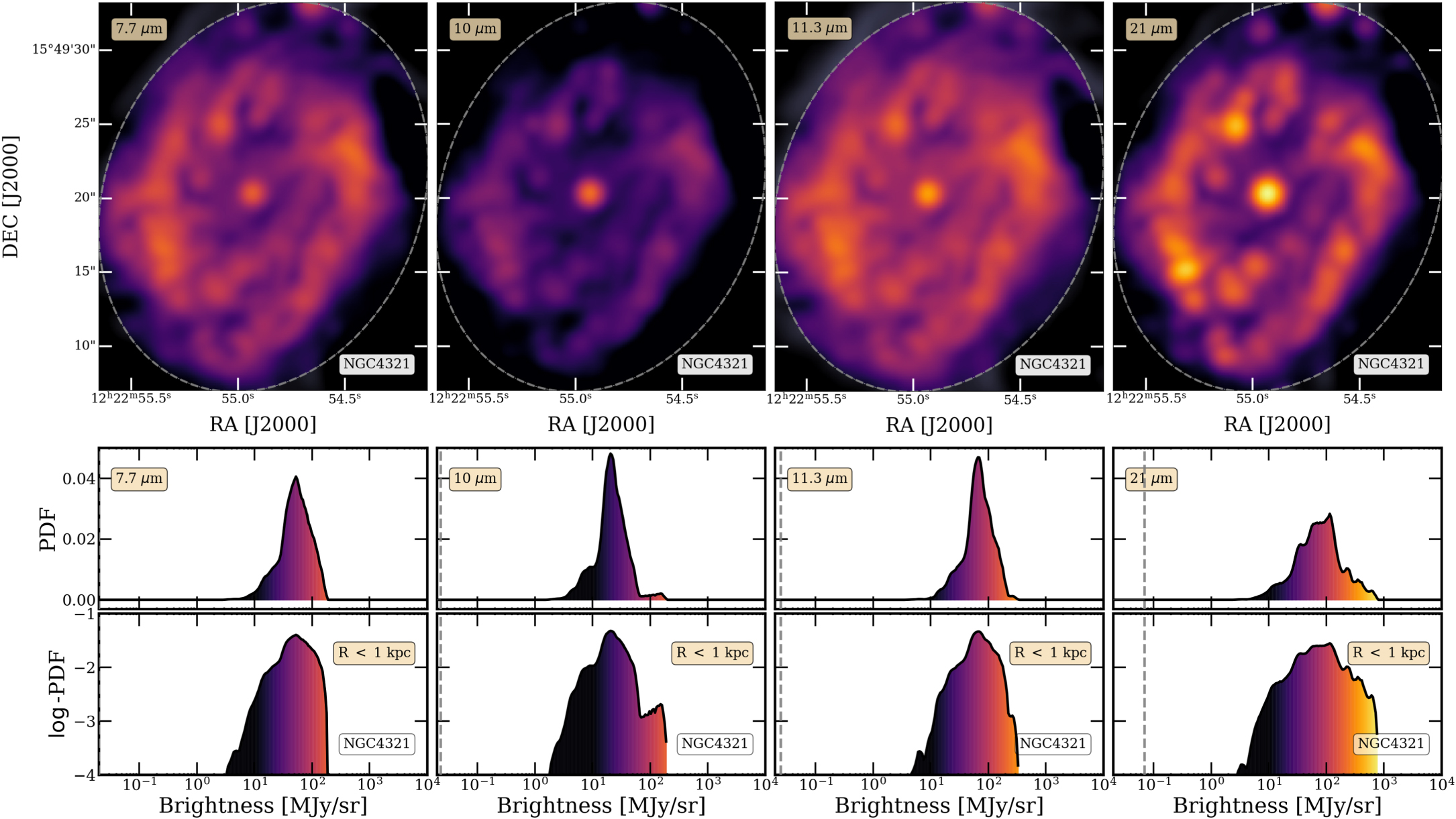
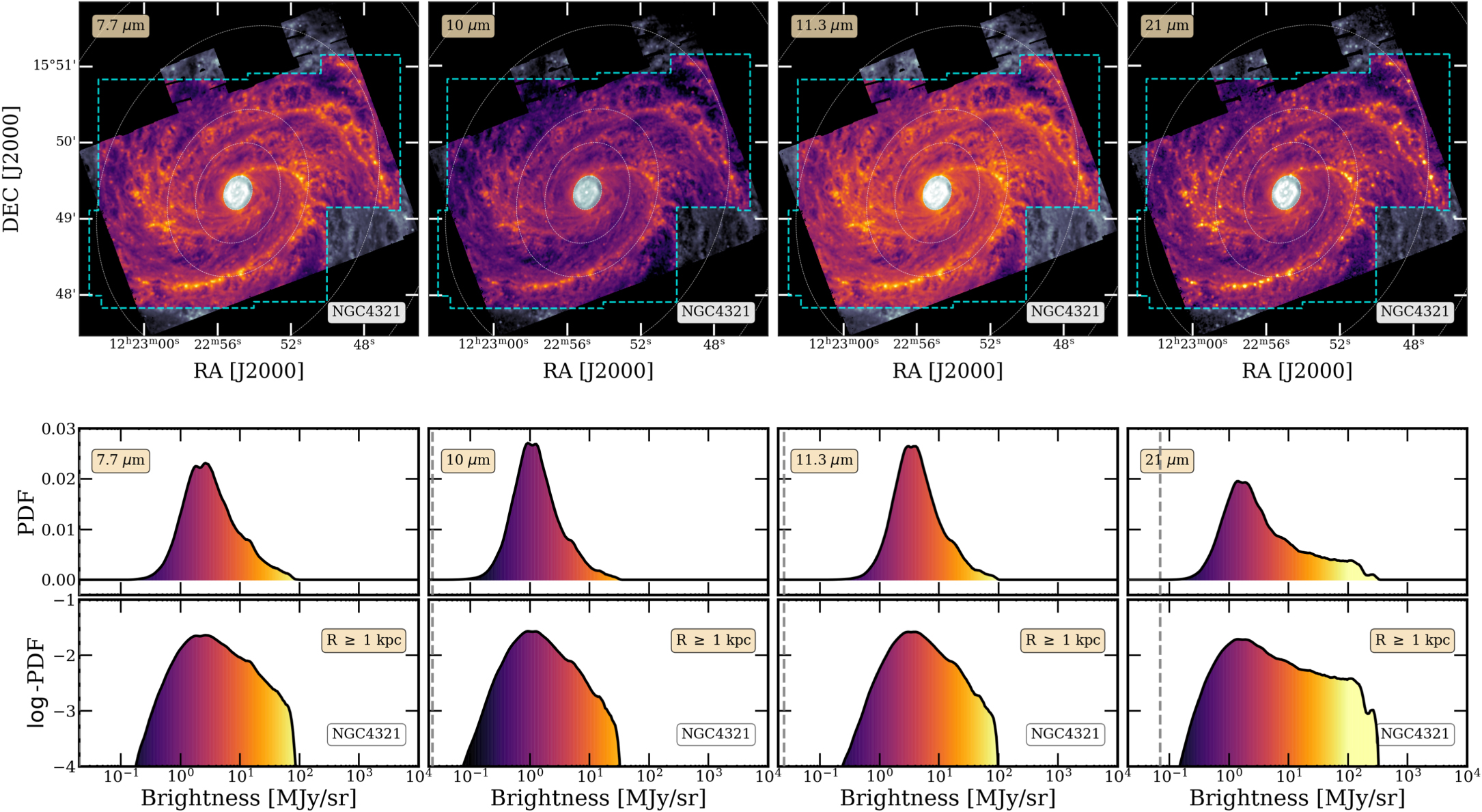
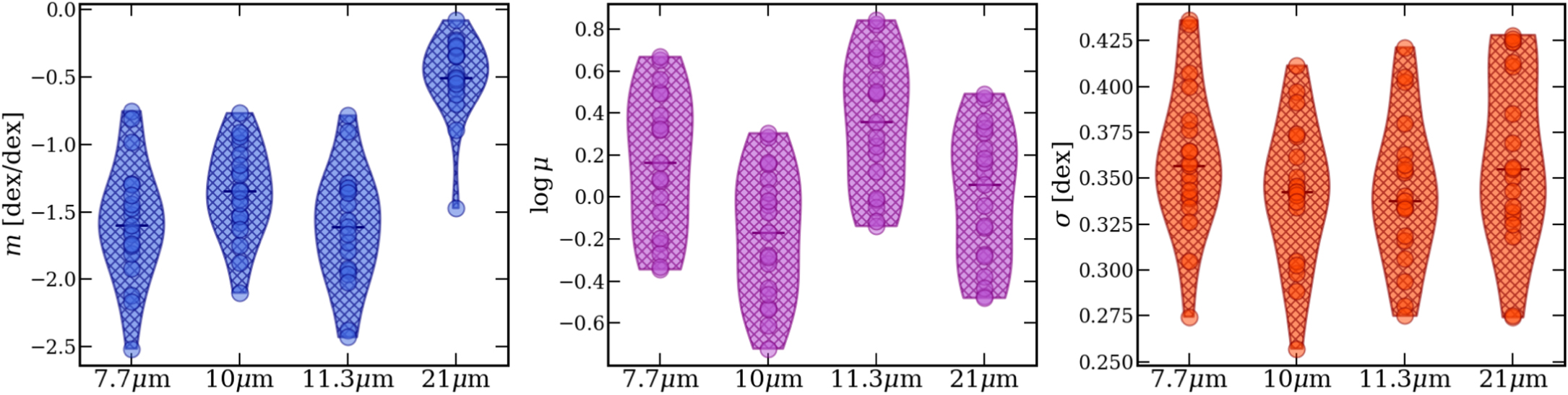
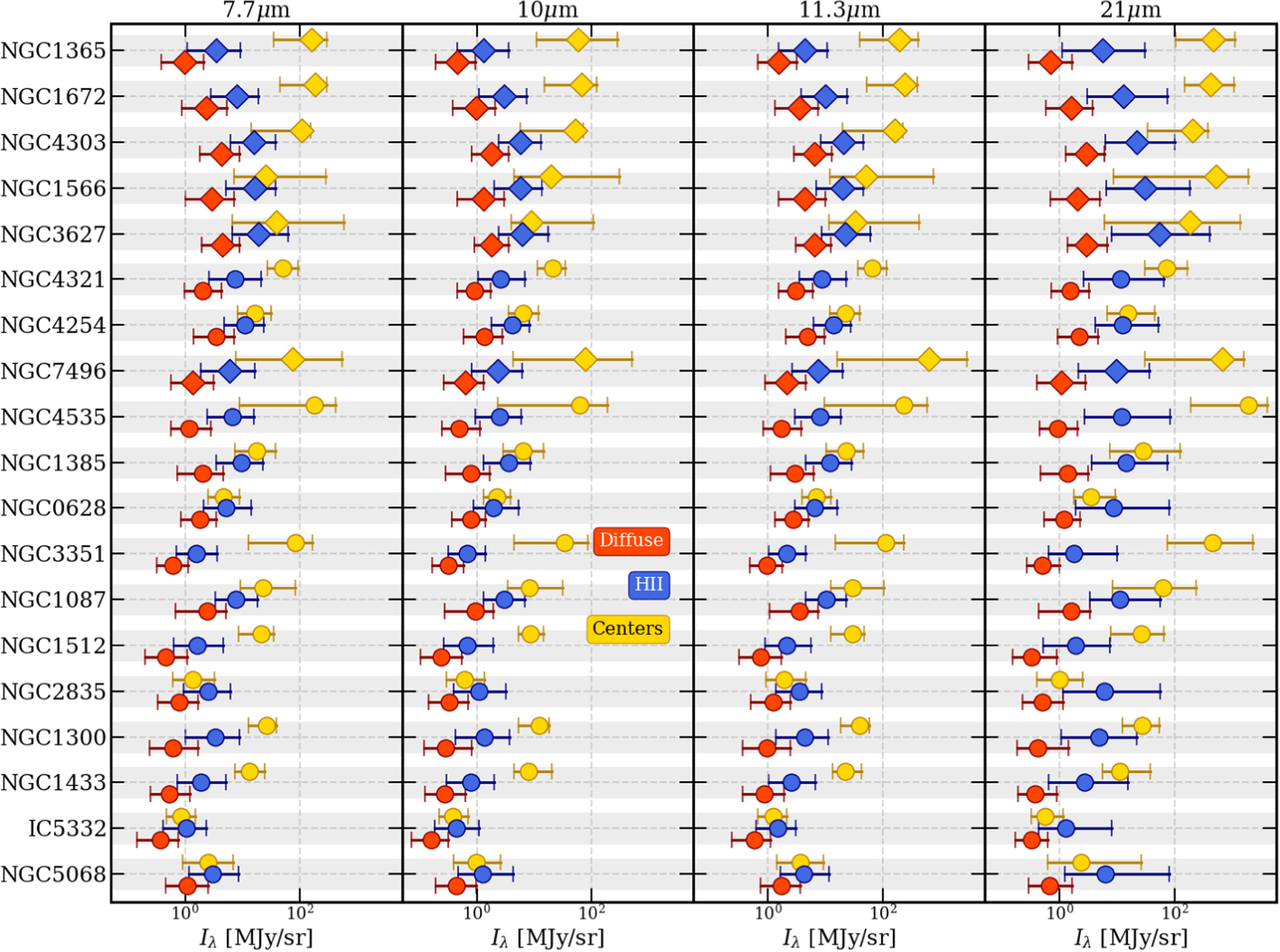
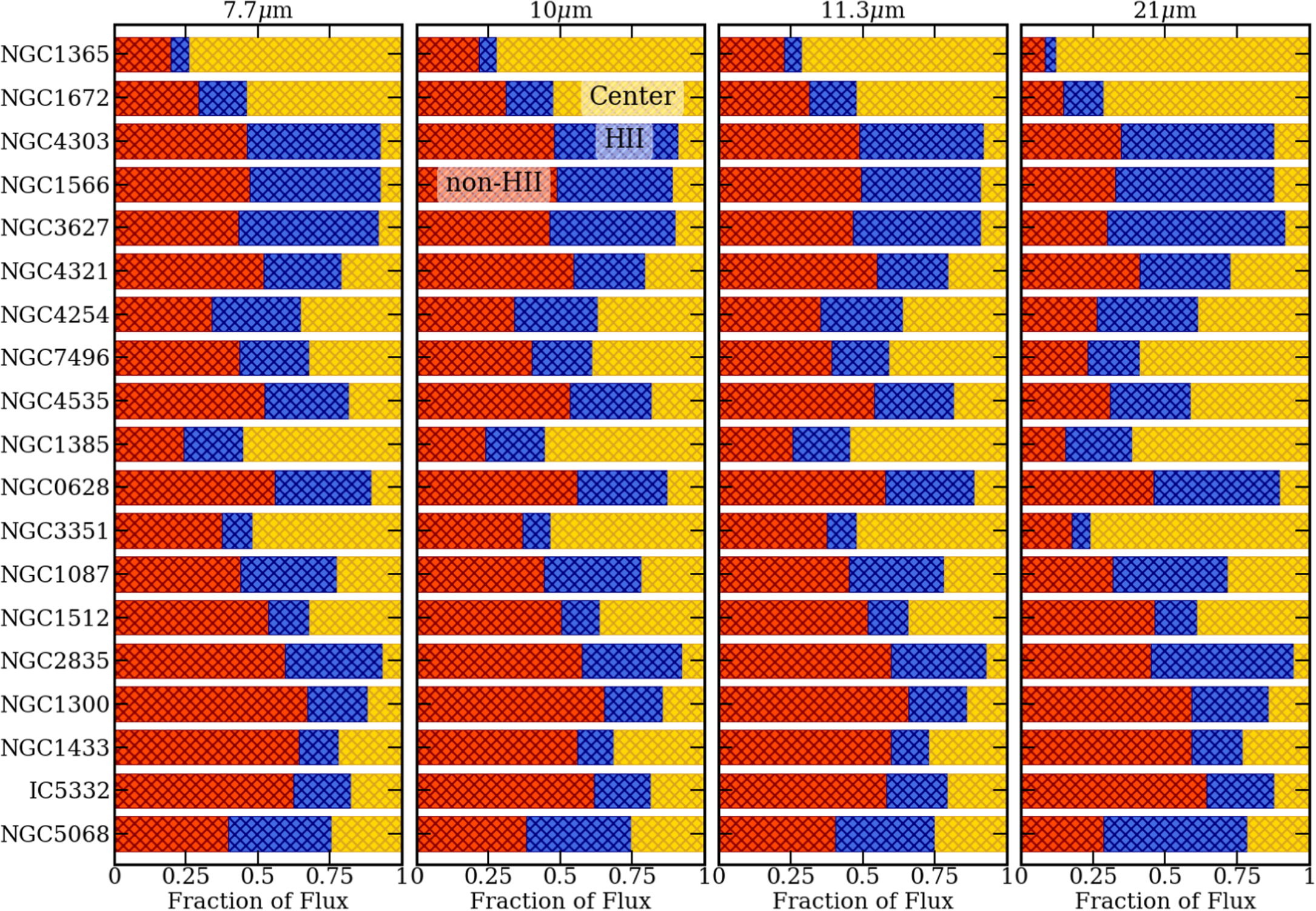
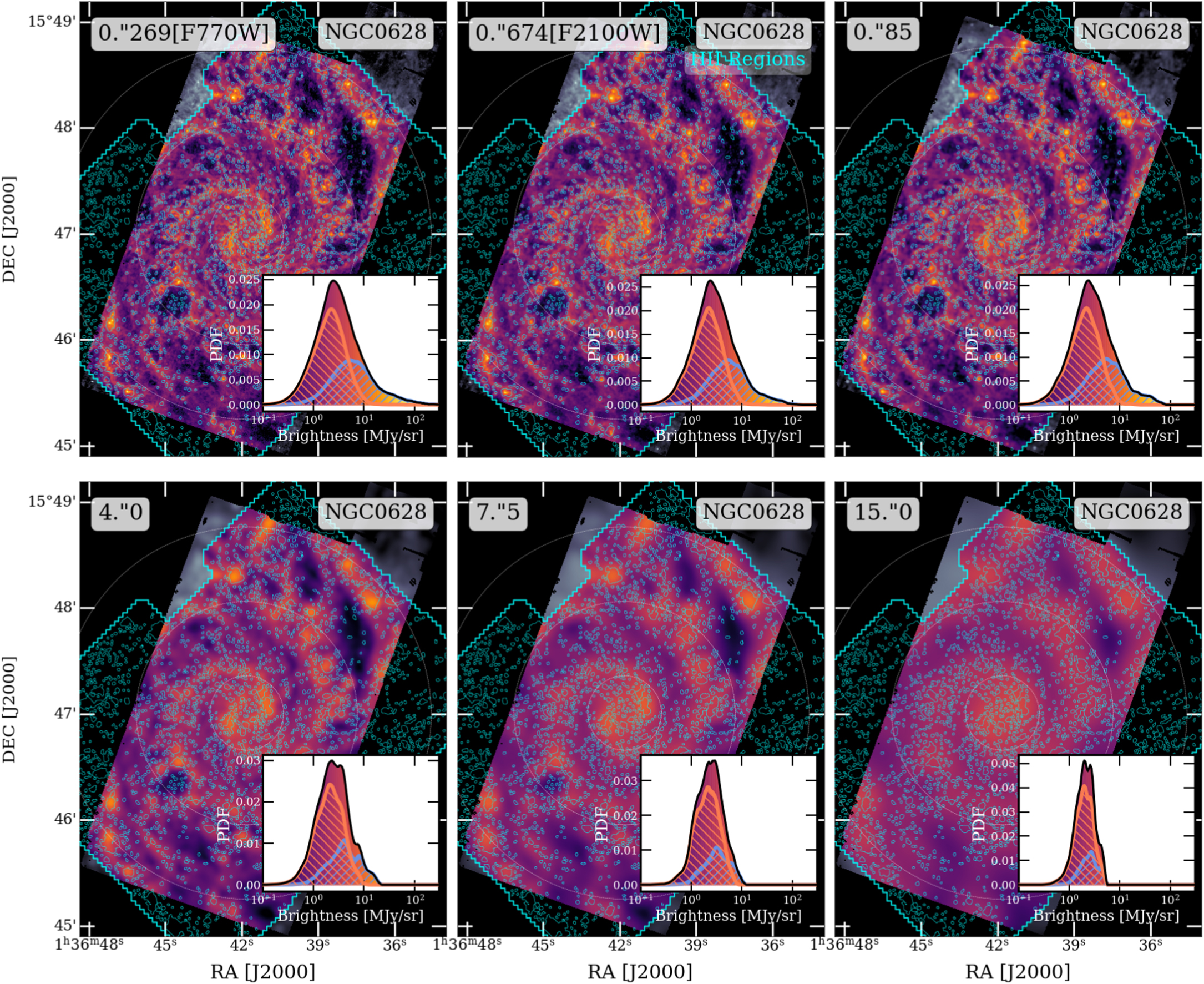
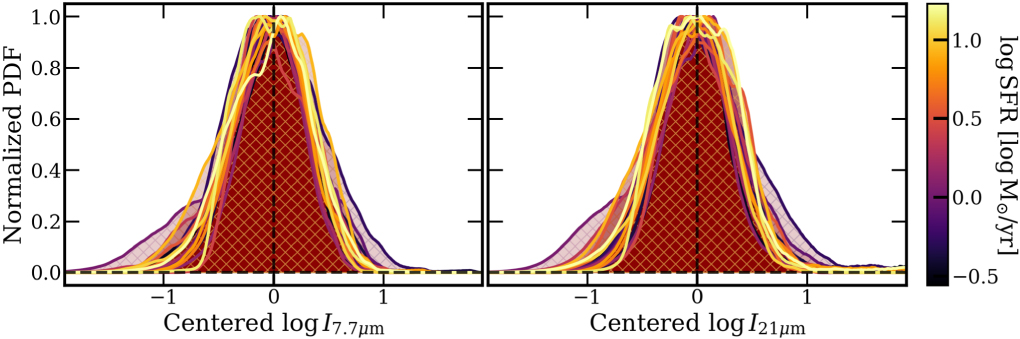
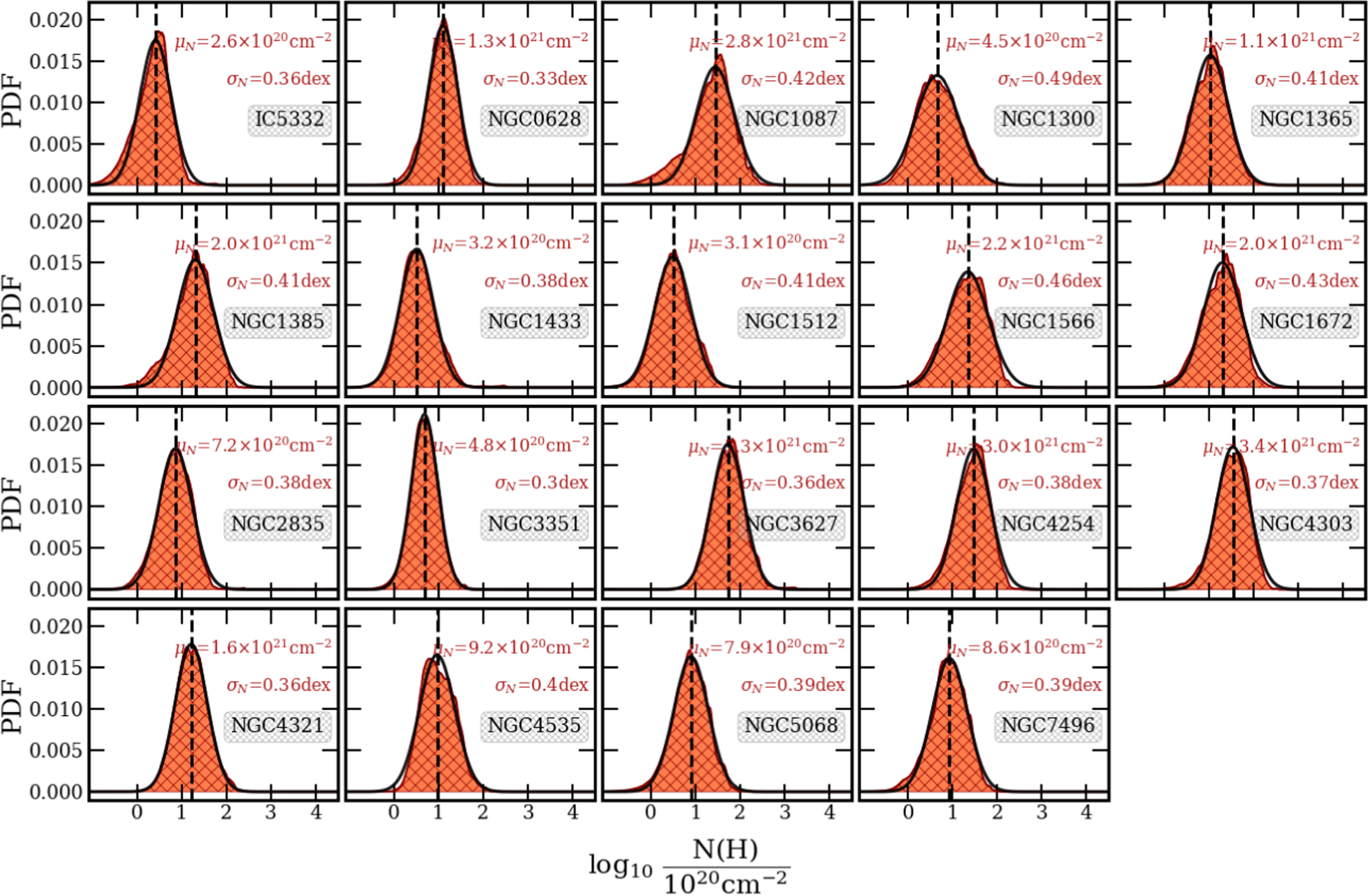
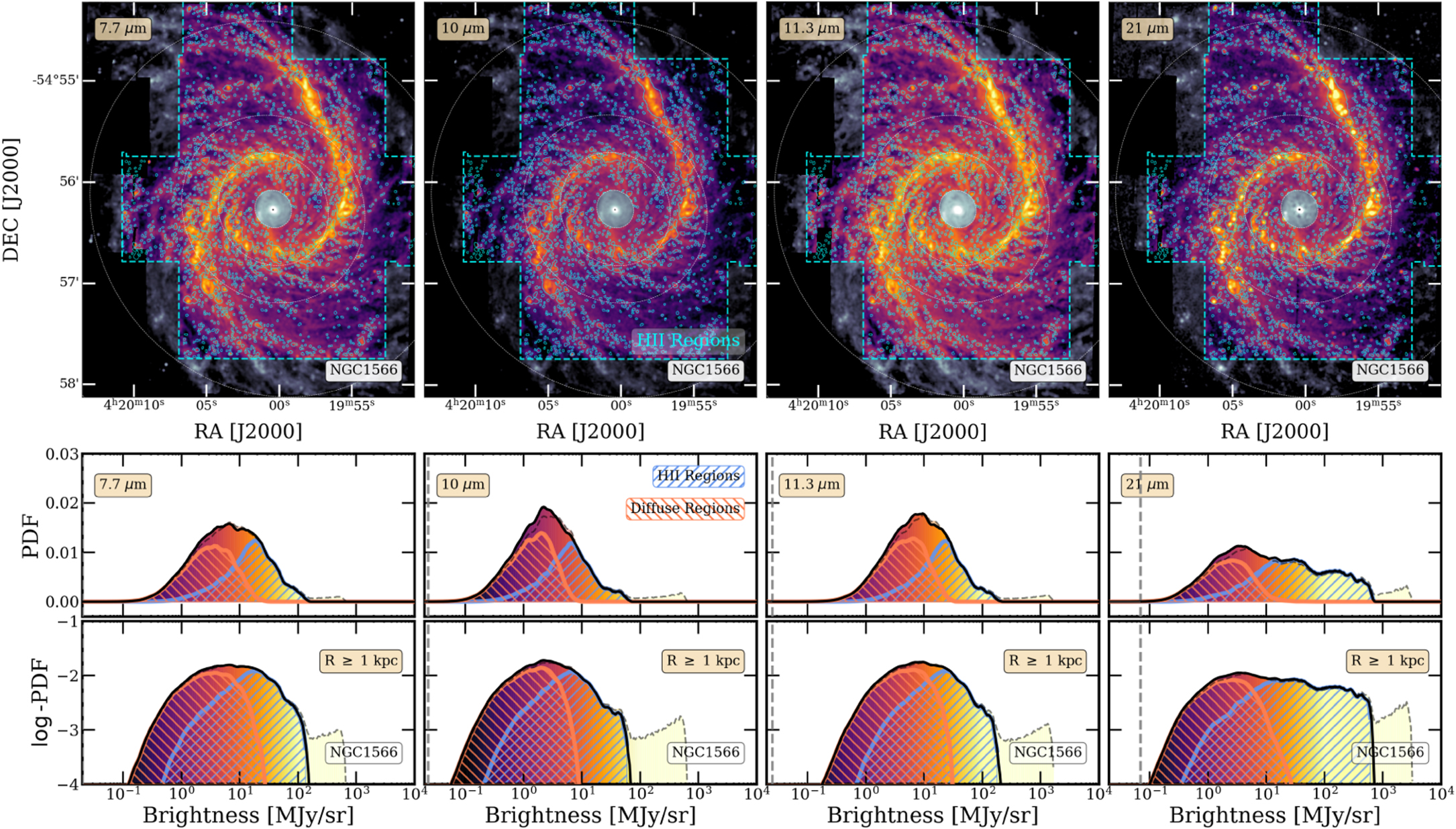
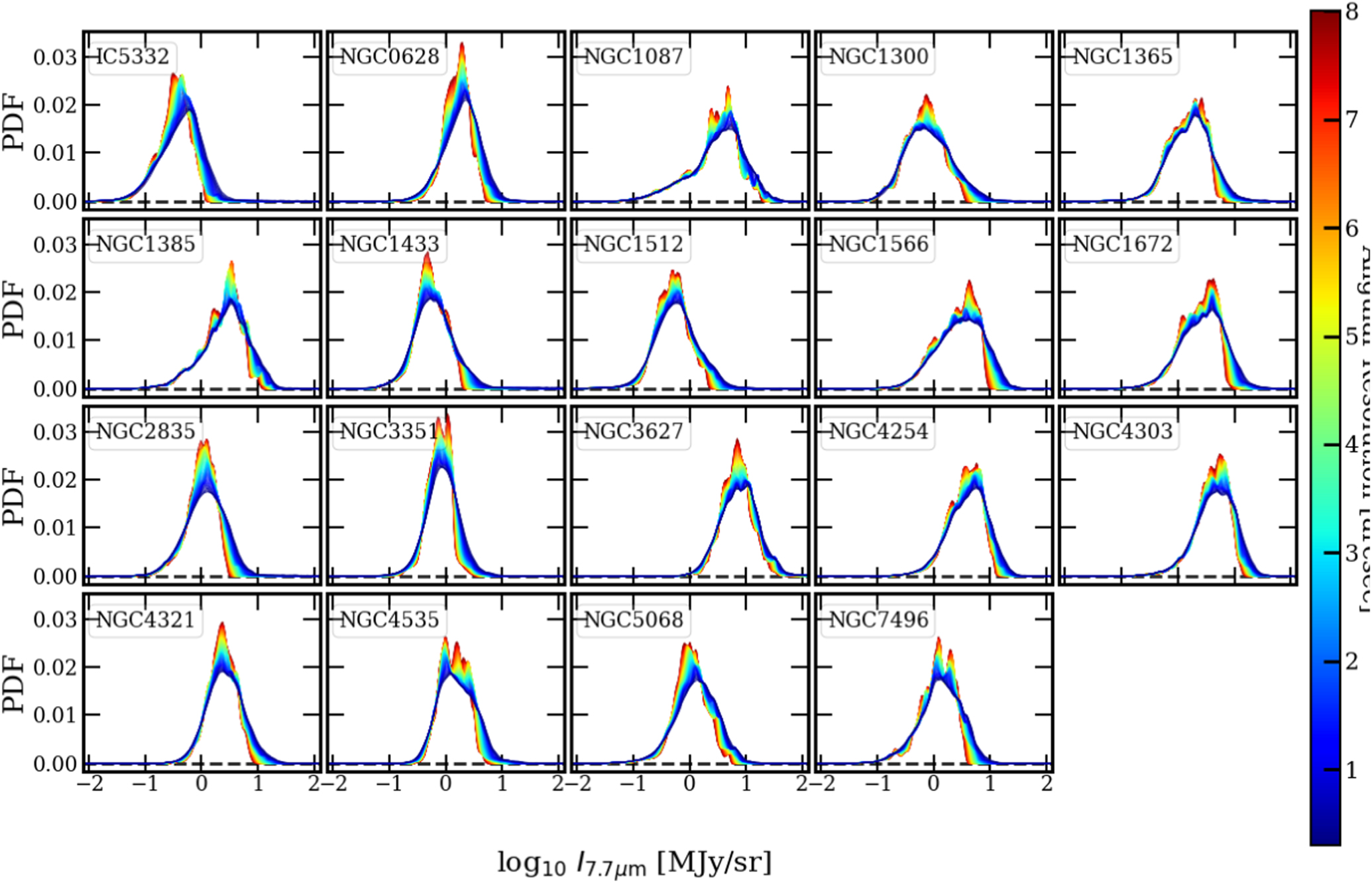
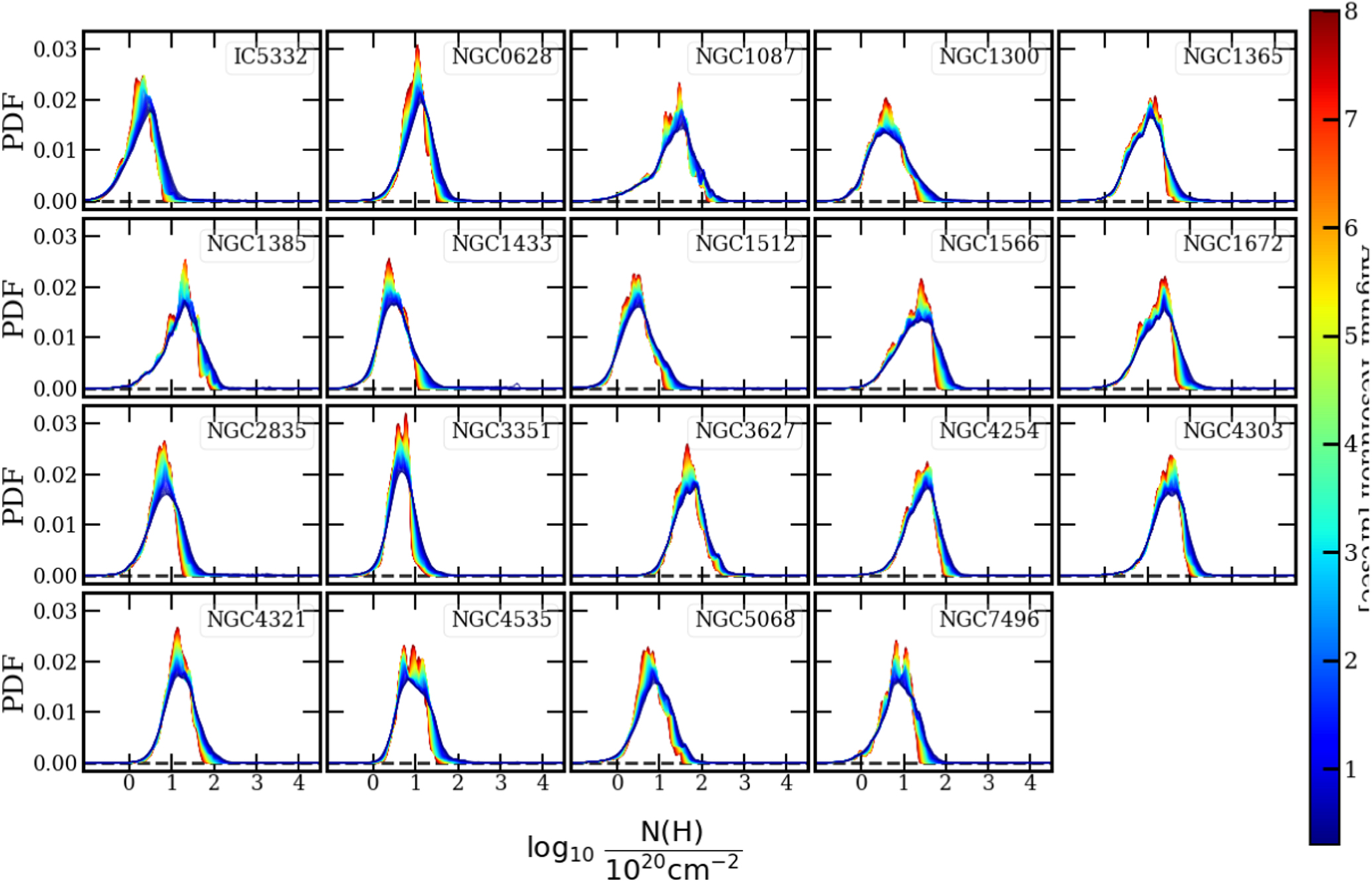
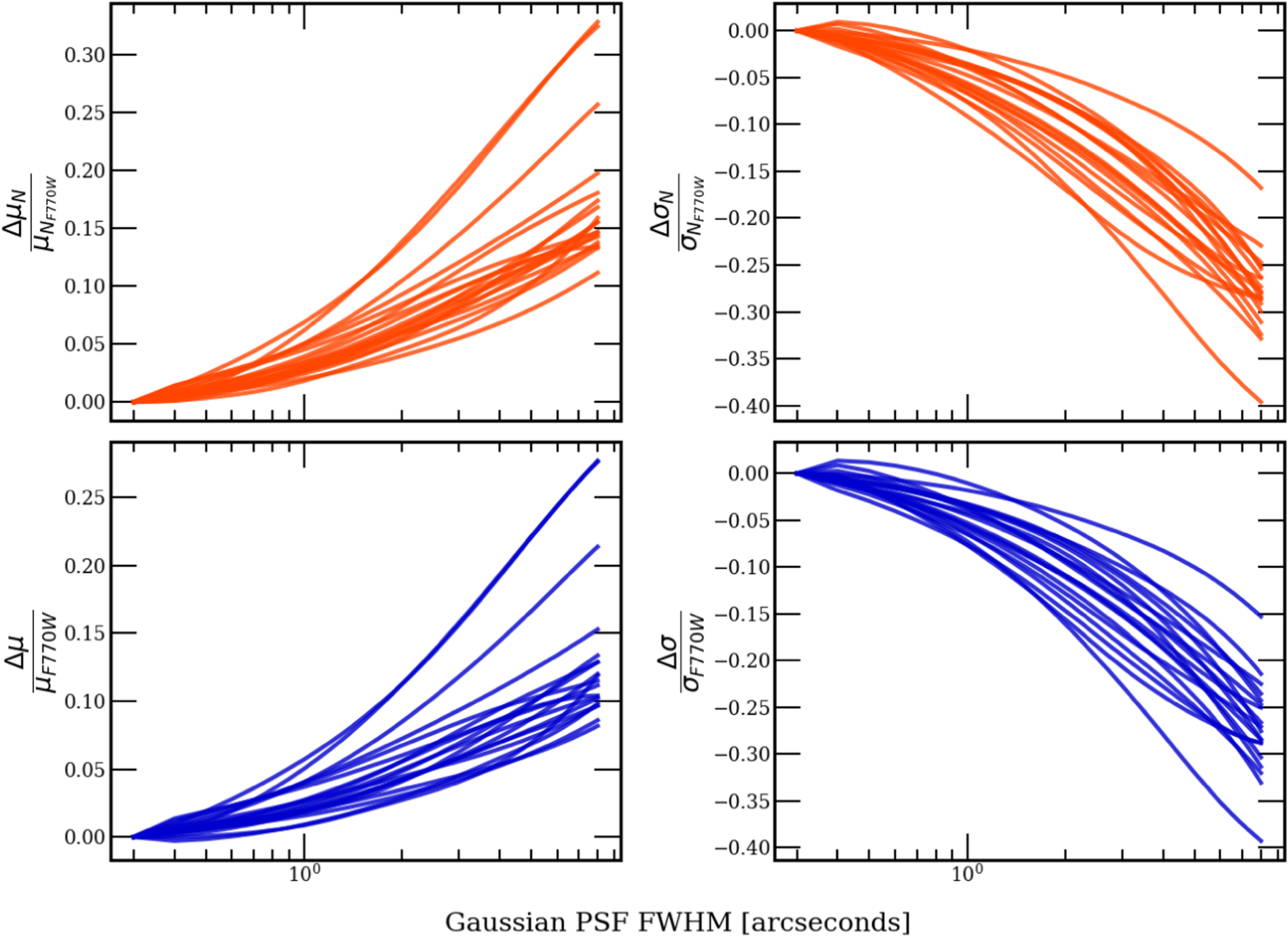
High-resolution JWST-MIRI images of nearby spiral galaxies reveal emission with complex substructures that trace dust heated both by massive young stars and the diffuse interstellar radiation field. We present high angular (0.″85) and physical resolution (20-80 pc) measurements of the probability distribution function (PDF) of mid-infrared (mid-IR) emission (7.7-21 μm) from 19 nearby star-forming galaxies from the PHANGS-JWST Cycle 1 Treasury. The PDFs of mid-IR emission from the disks of all 19 galaxies consistently show two distinct components: an approximately lognormal distribution at lower intensities and a high-intensity power law component. These two components only emerge once individual star-forming regions are resolved. Comparing with locations of H II regions identified from Very Large Telescope/MUSE Hα mapping, we infer that the power-law component arises from star-forming regions and thus primarily traces dust heated by young stars. In the continuum-dominated 21 μm band, the power law is more prominent and contains roughly half of the total flux. At 7.7-11.3 μm, the power law is suppressed by the destruction of small grains (including PAHs) close to H II regions, while the lognormal component tracing the dust column in diffuse regions appears more prominent. The width and shape of the lognormal diffuse emission PDFs in galactic disks remain consistent across our sample, implying a lognormal gas column density N(H) ≈ 1021 cm-2 shaped by supersonic turbulence with typical (isothermal) turbulent Mach numbers ≈5-15. Finally, we describe how the PDFs of galactic disks are assembled from dusty H II regions and diffuse gas and discuss how the measured PDF parameters correlate with global properties such as star formation rate and gas surface density.
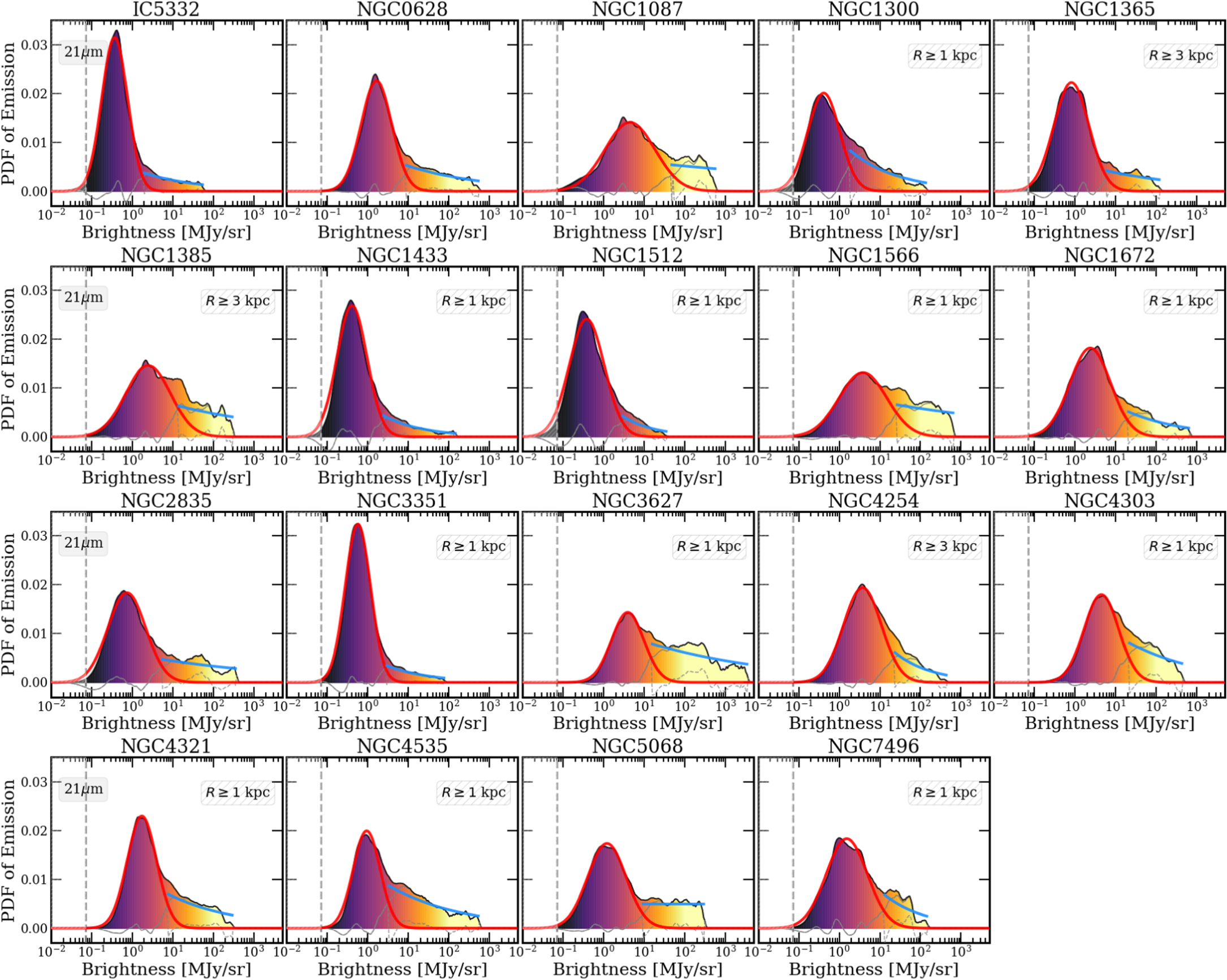
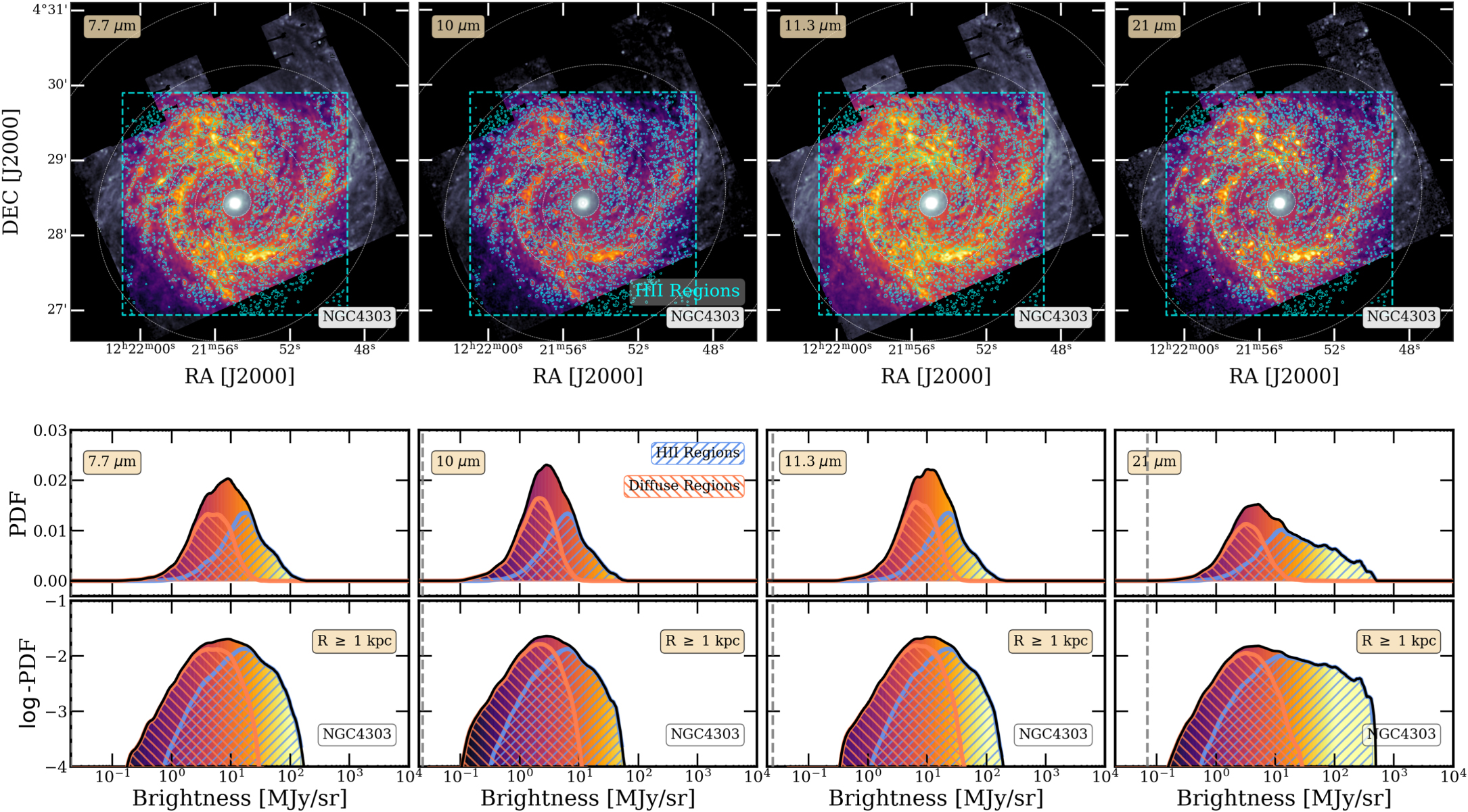
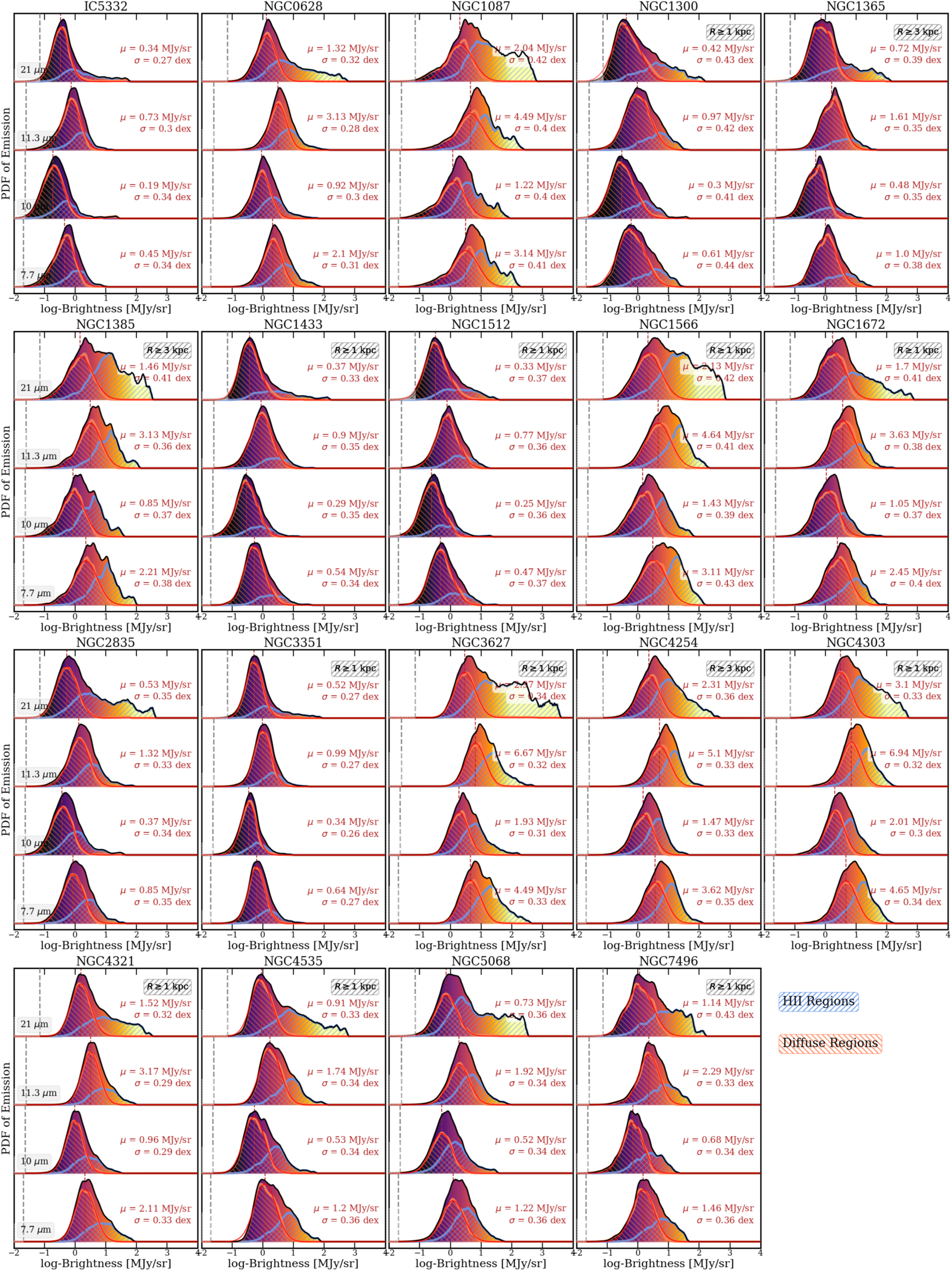
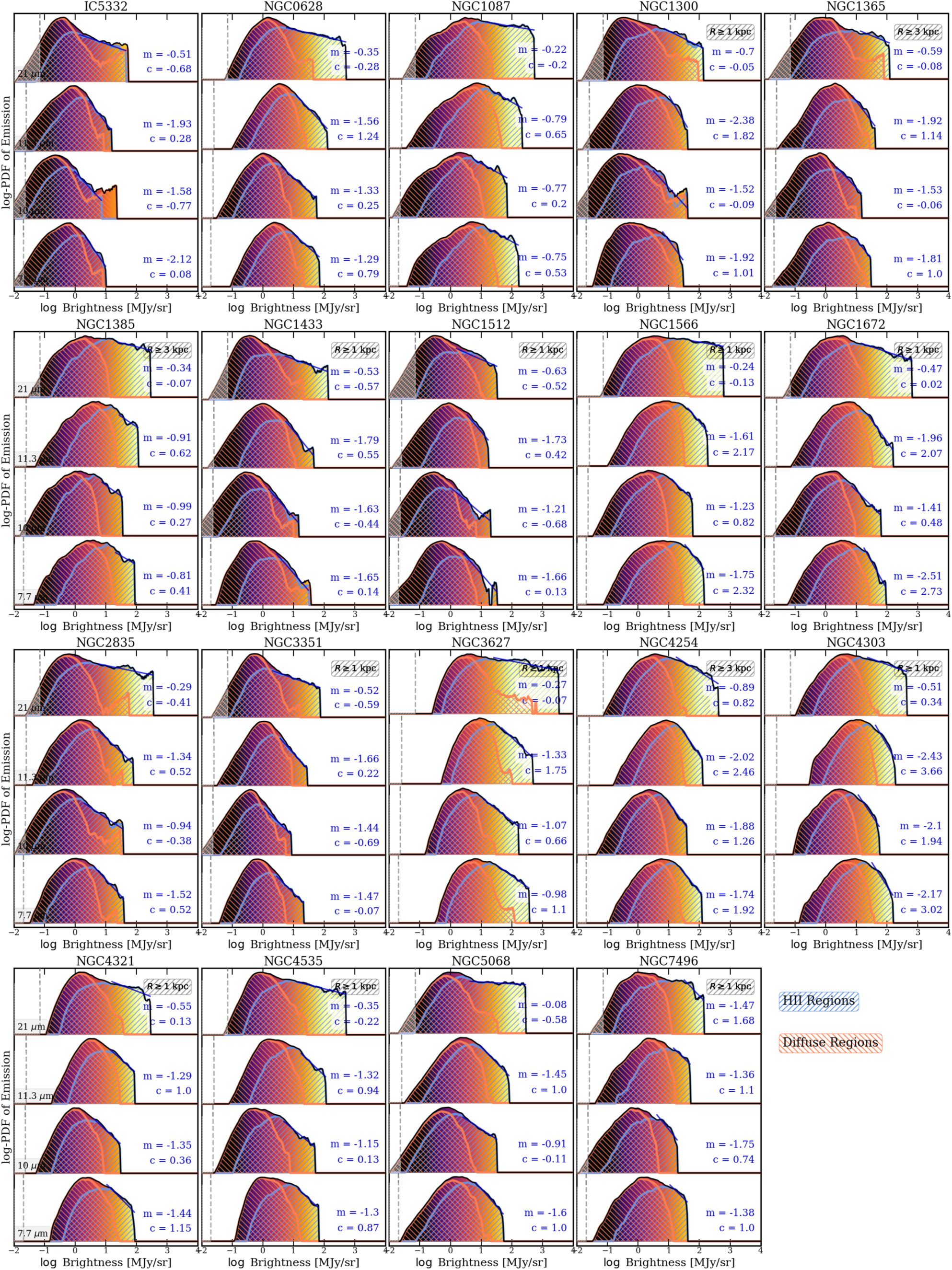
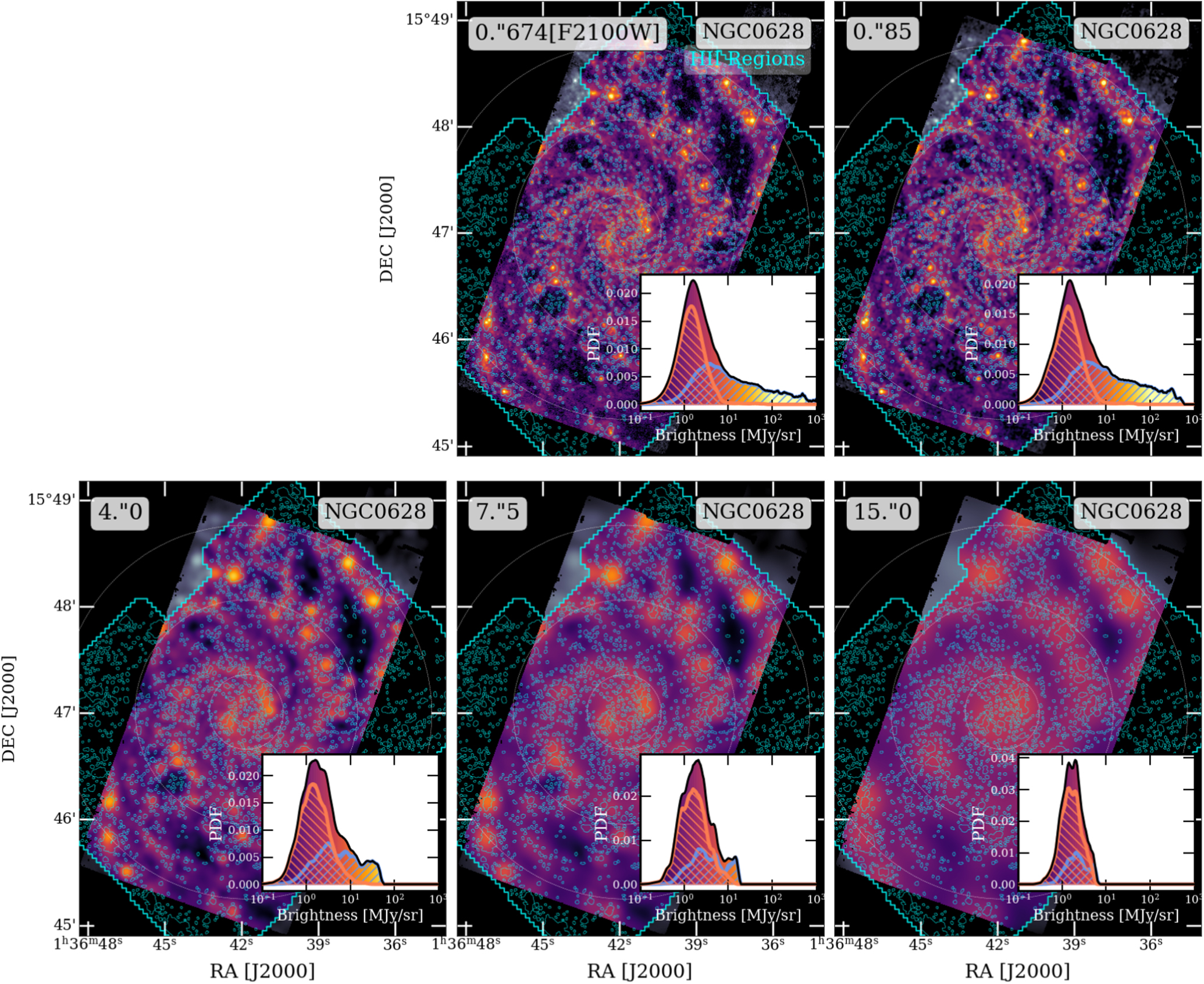
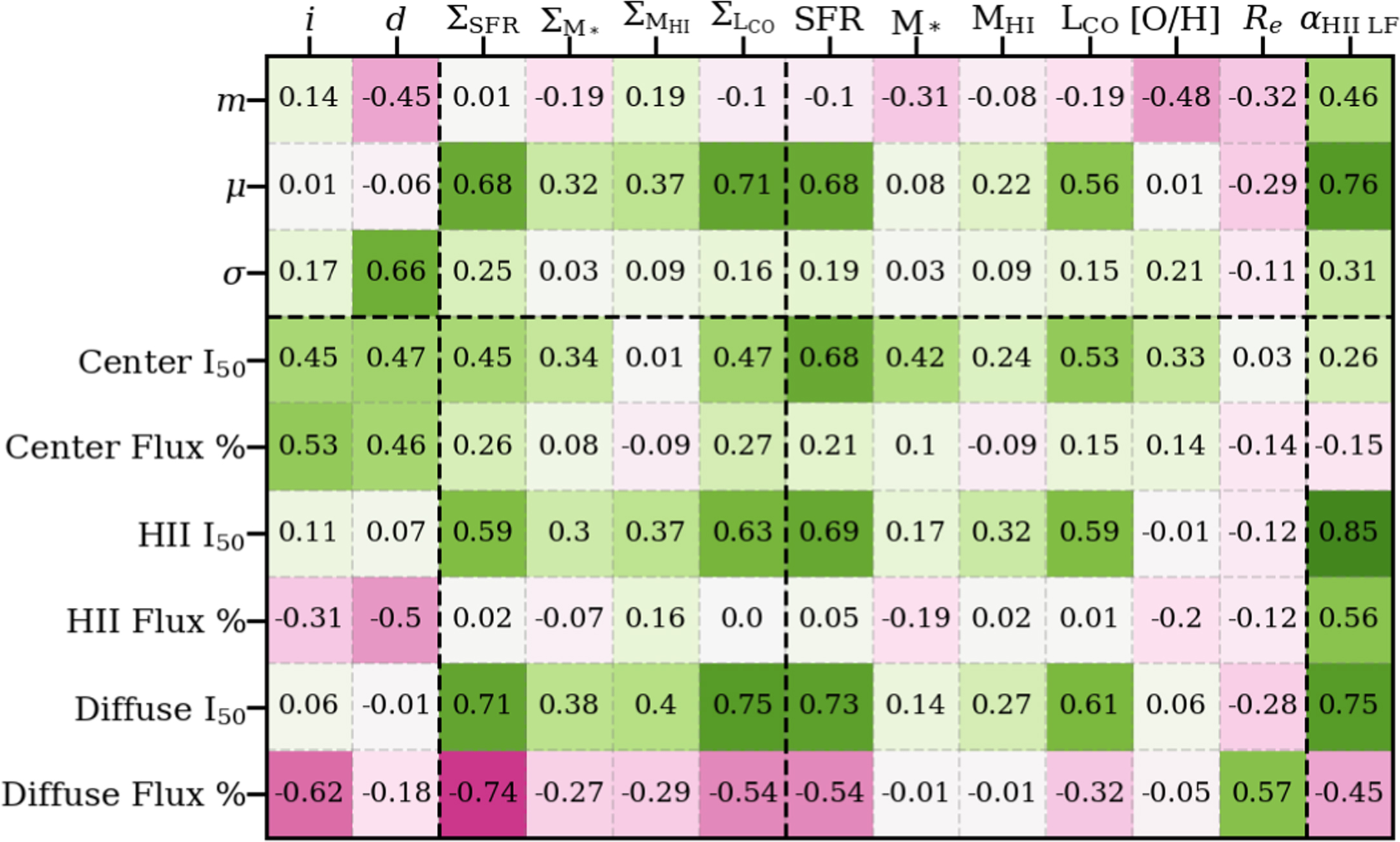
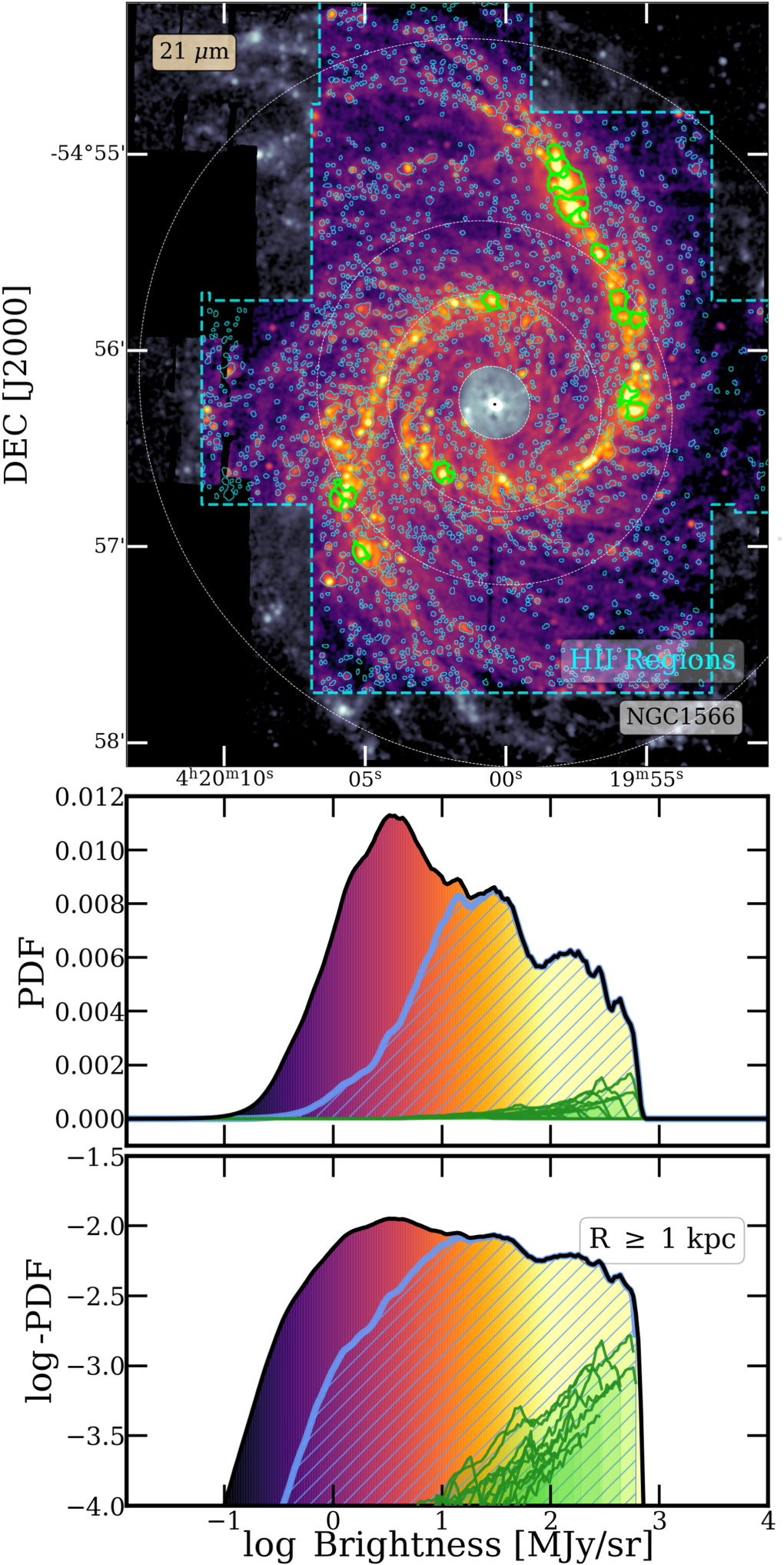
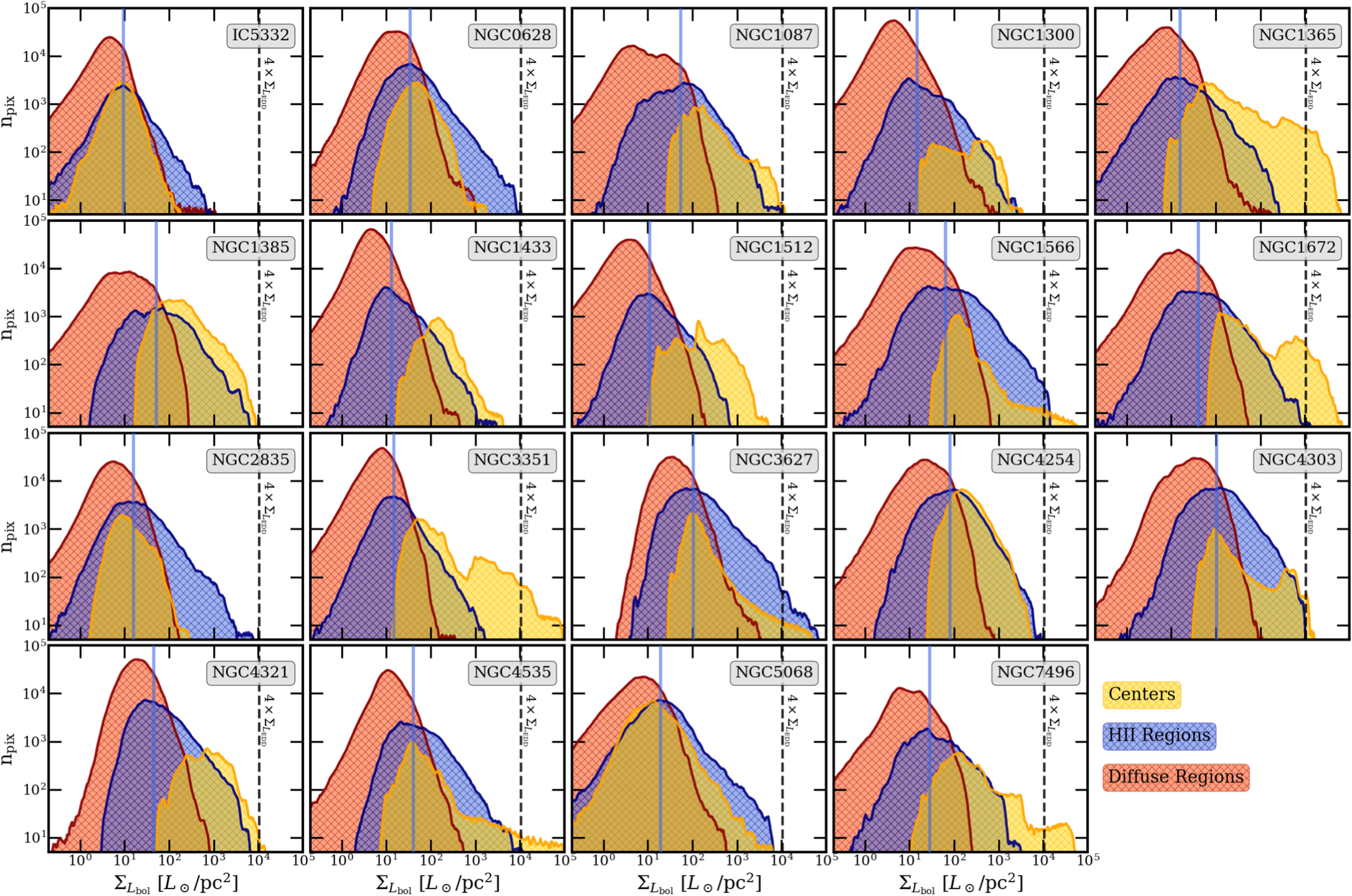
Published in The Astrophysical Journal, Volume 982, Issue 2, id.140, 24 pp., 2025
with Adam K. Leroy, Todd A. Thompson, Laura A. Lopez, et al.
Download Paper | See in ADS | See Figures
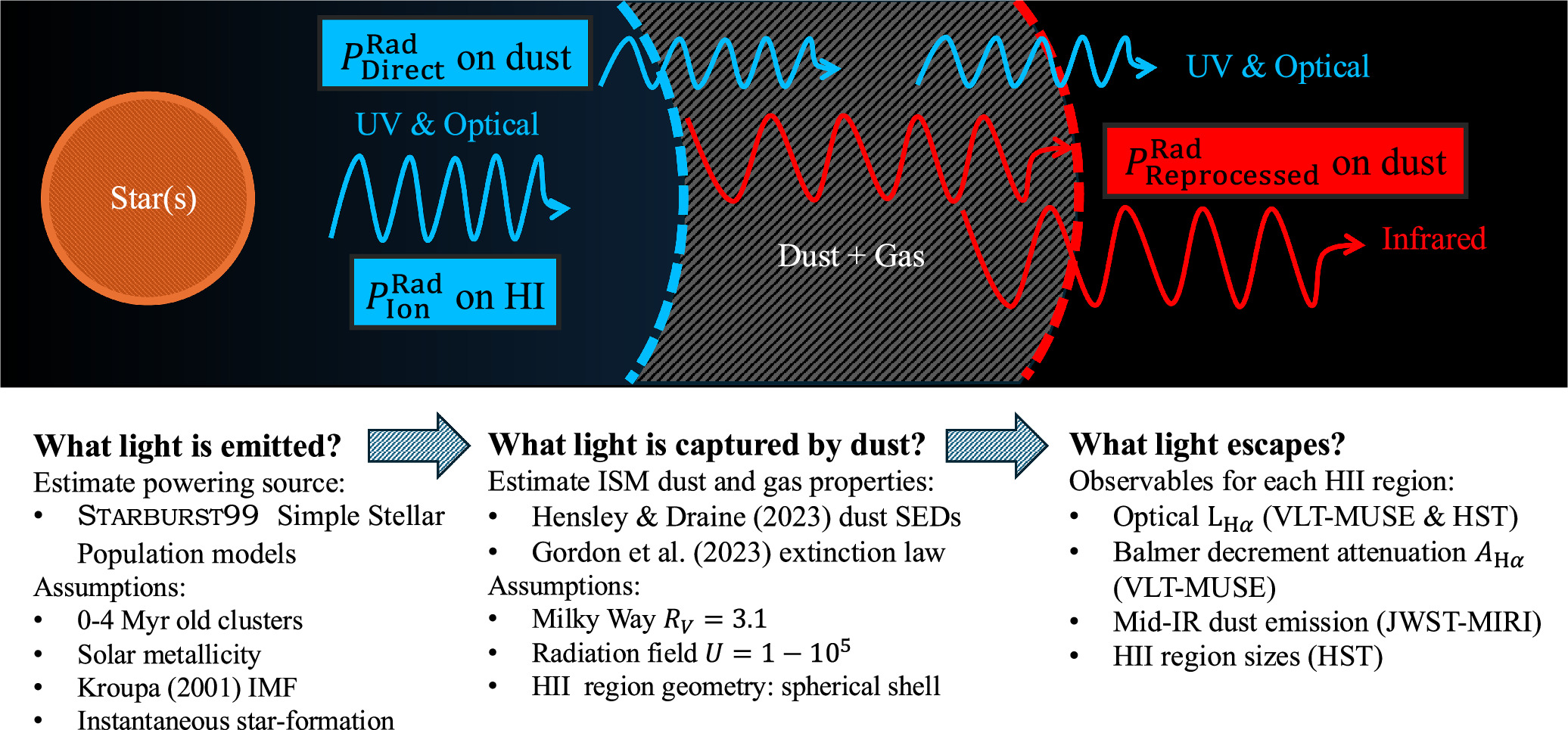
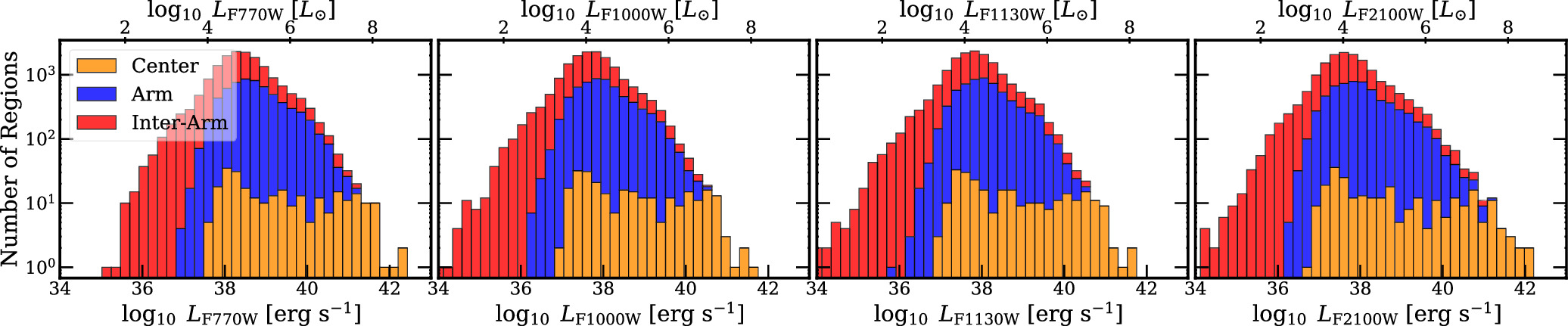
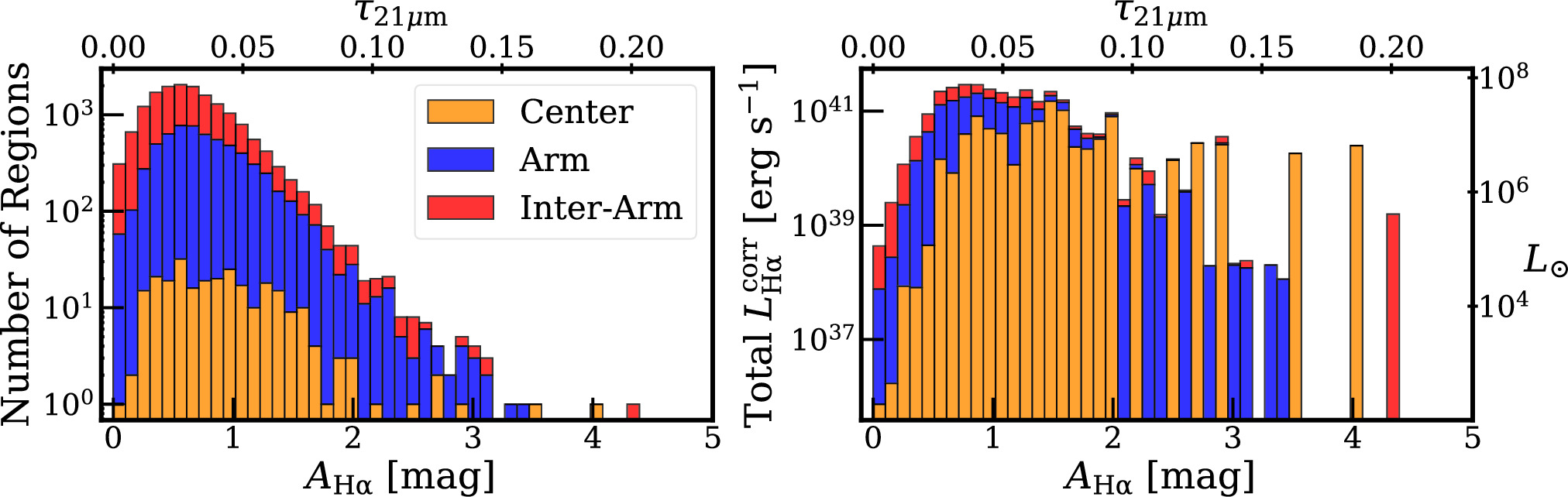
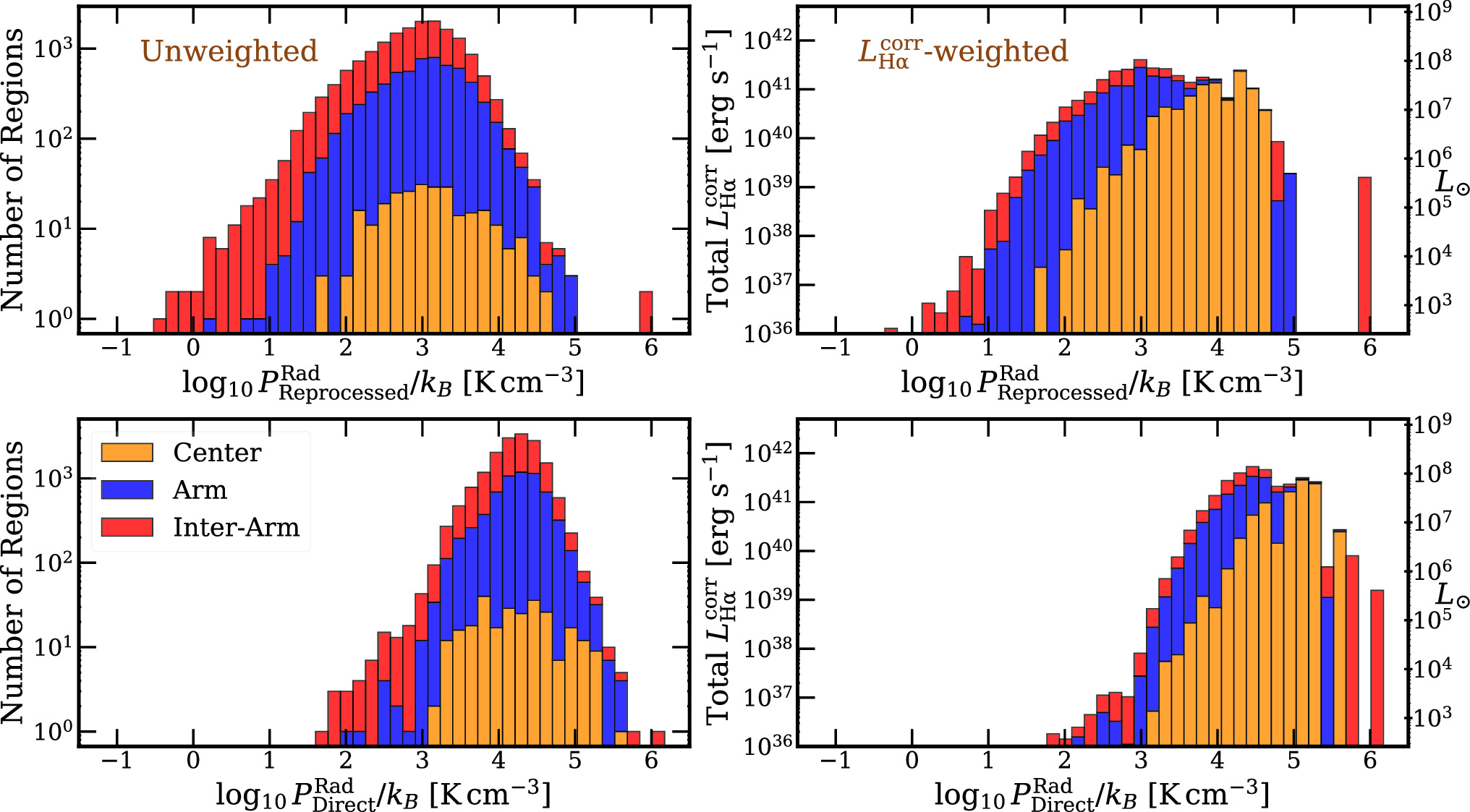
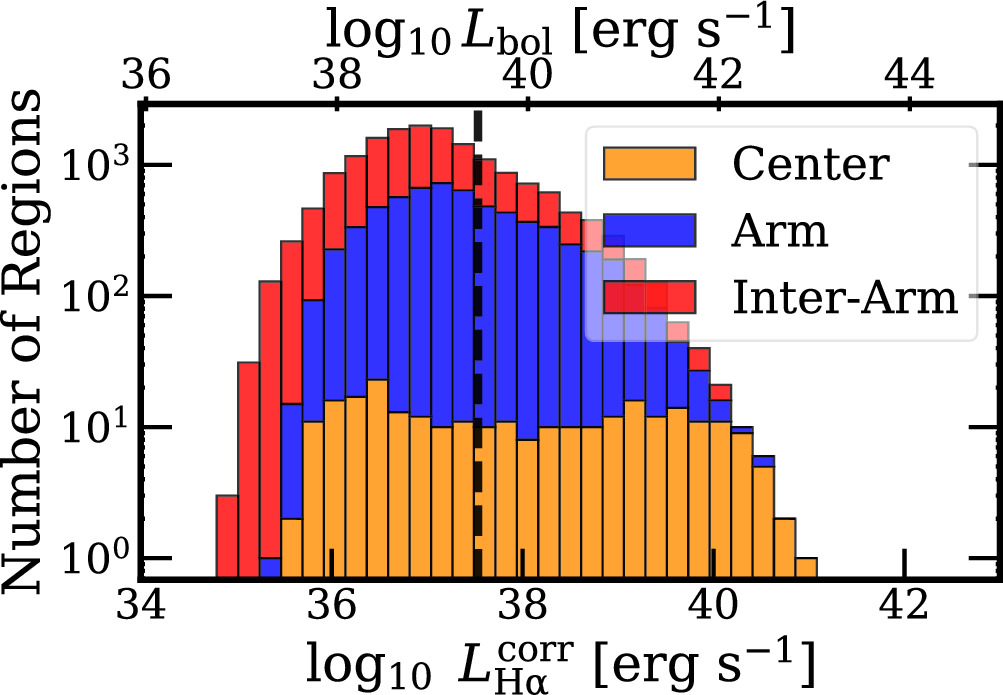
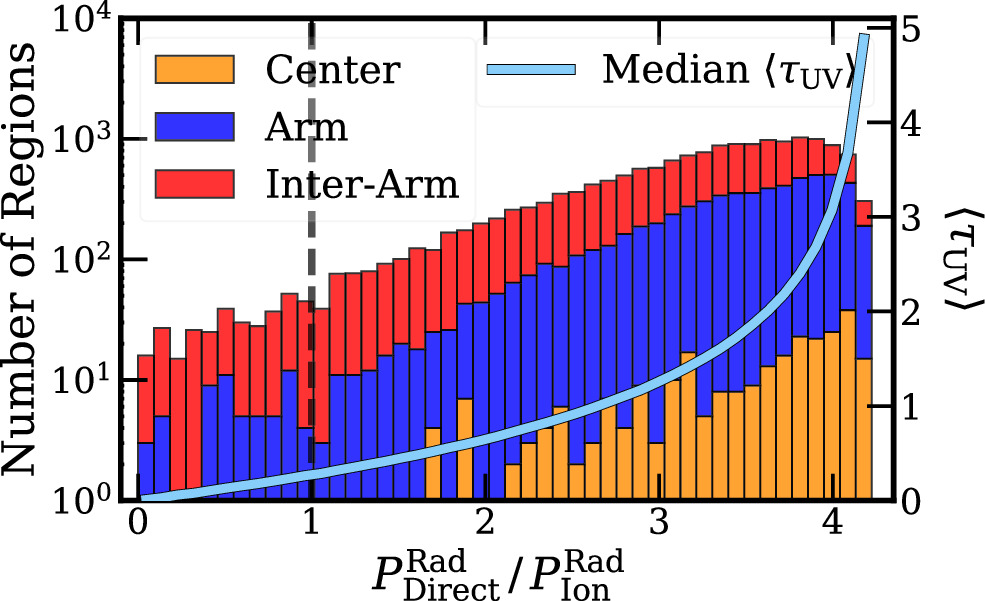
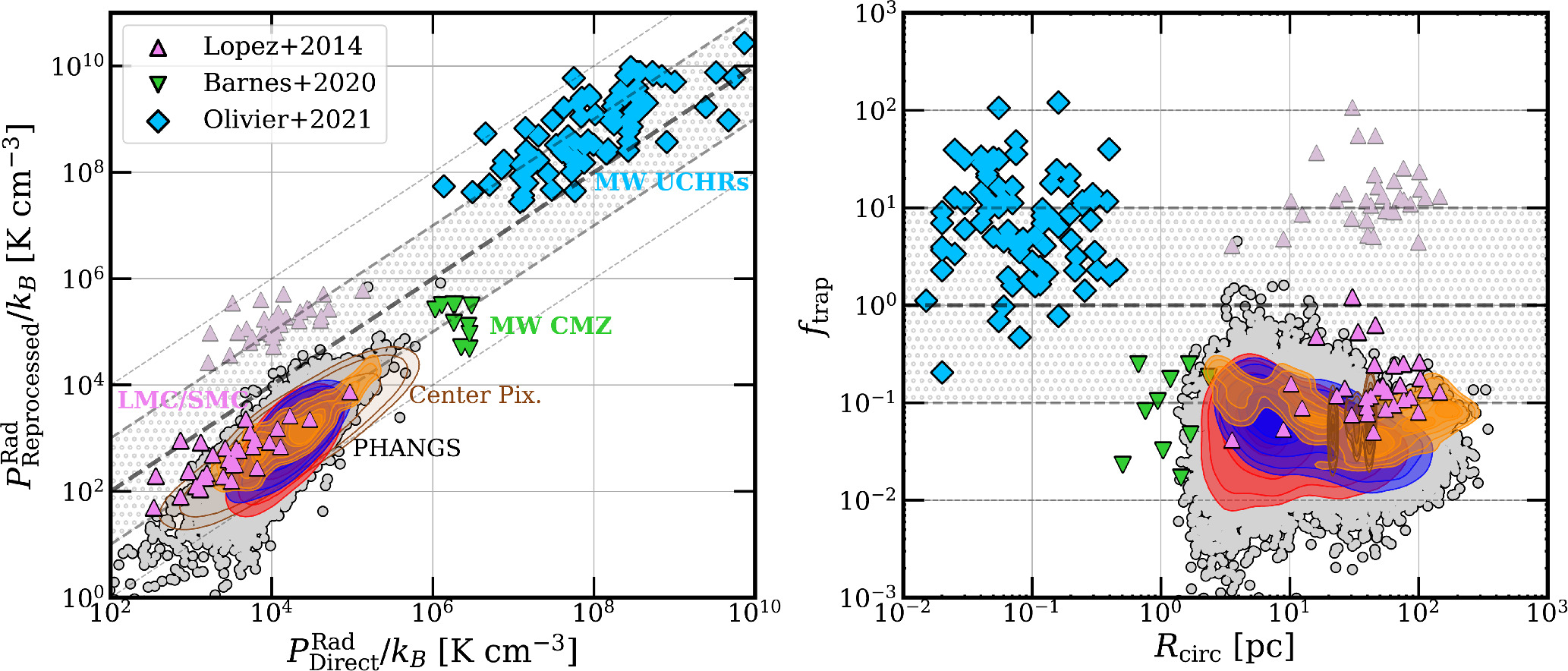
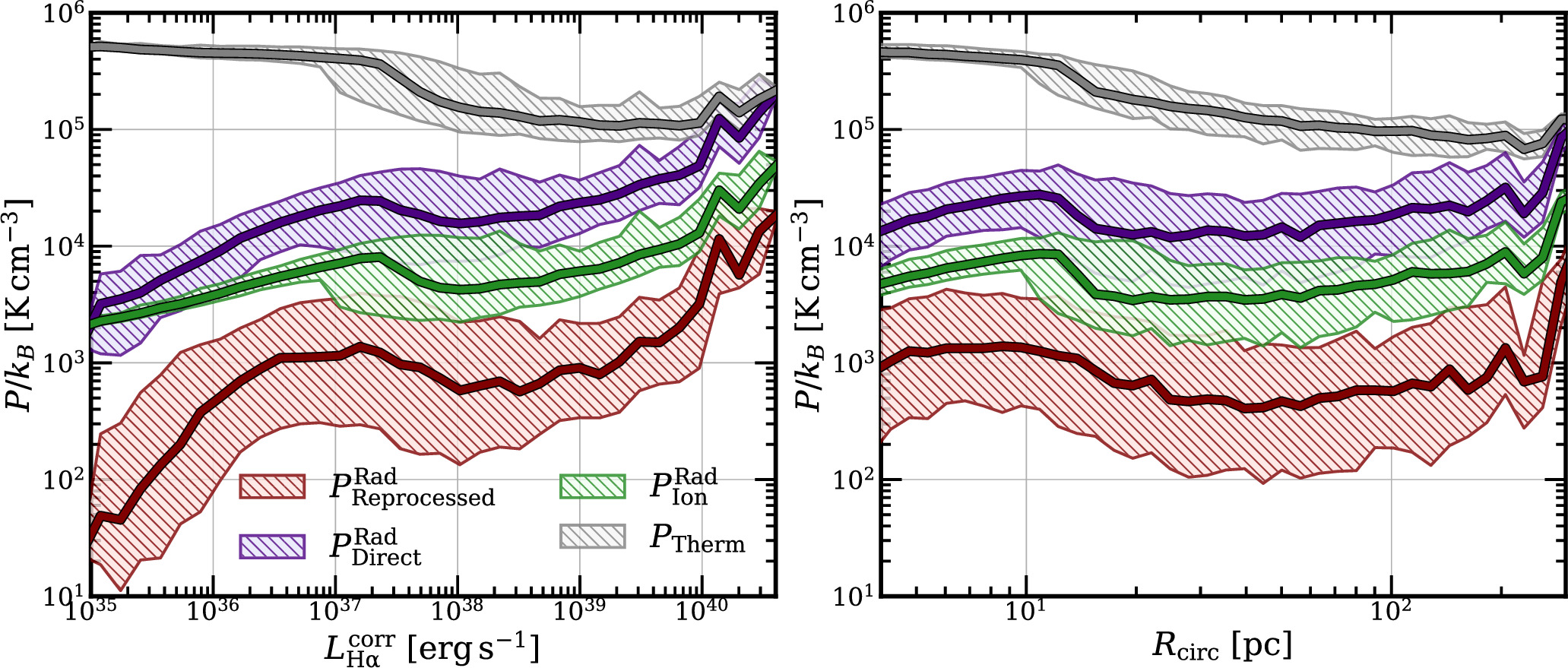
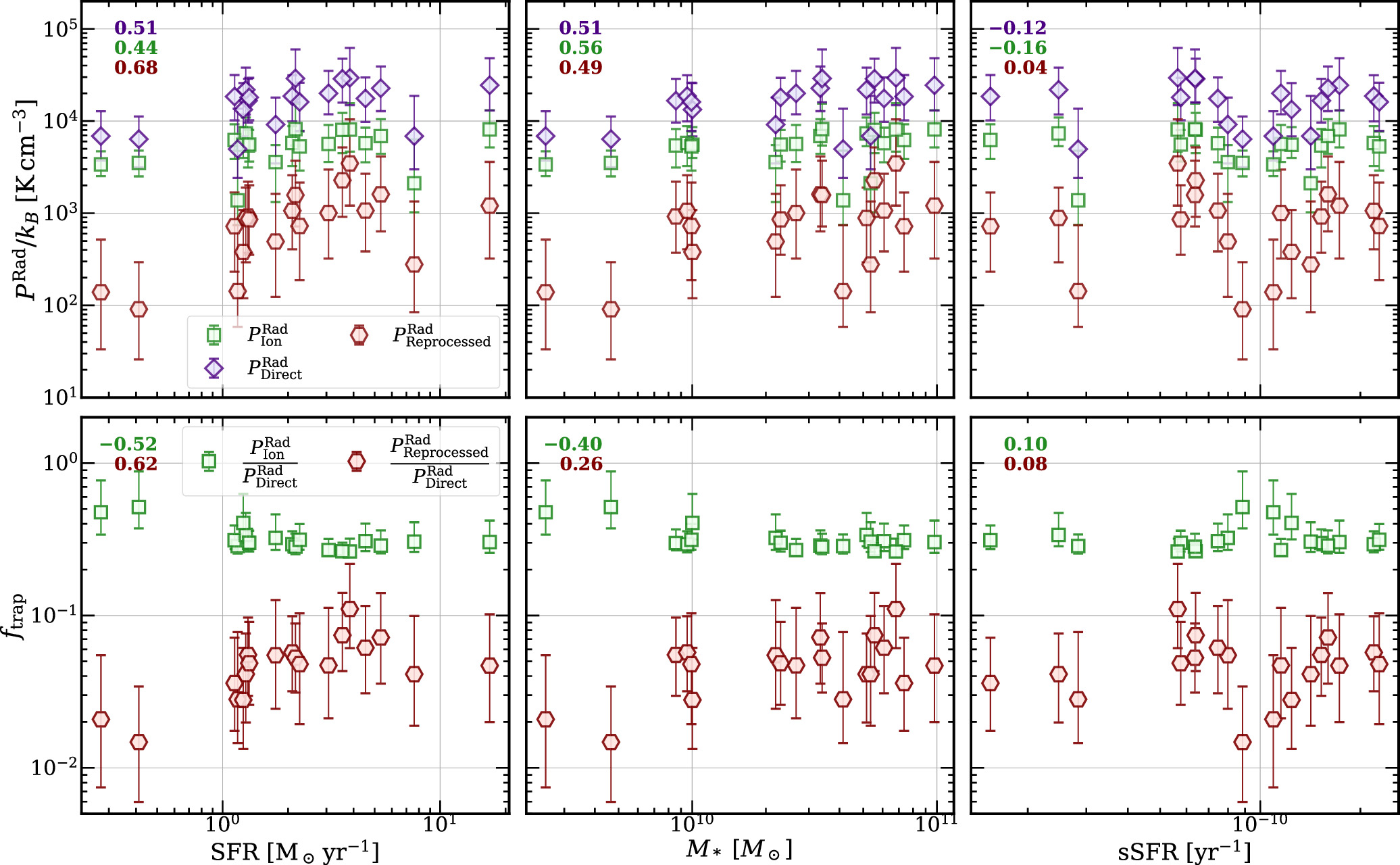
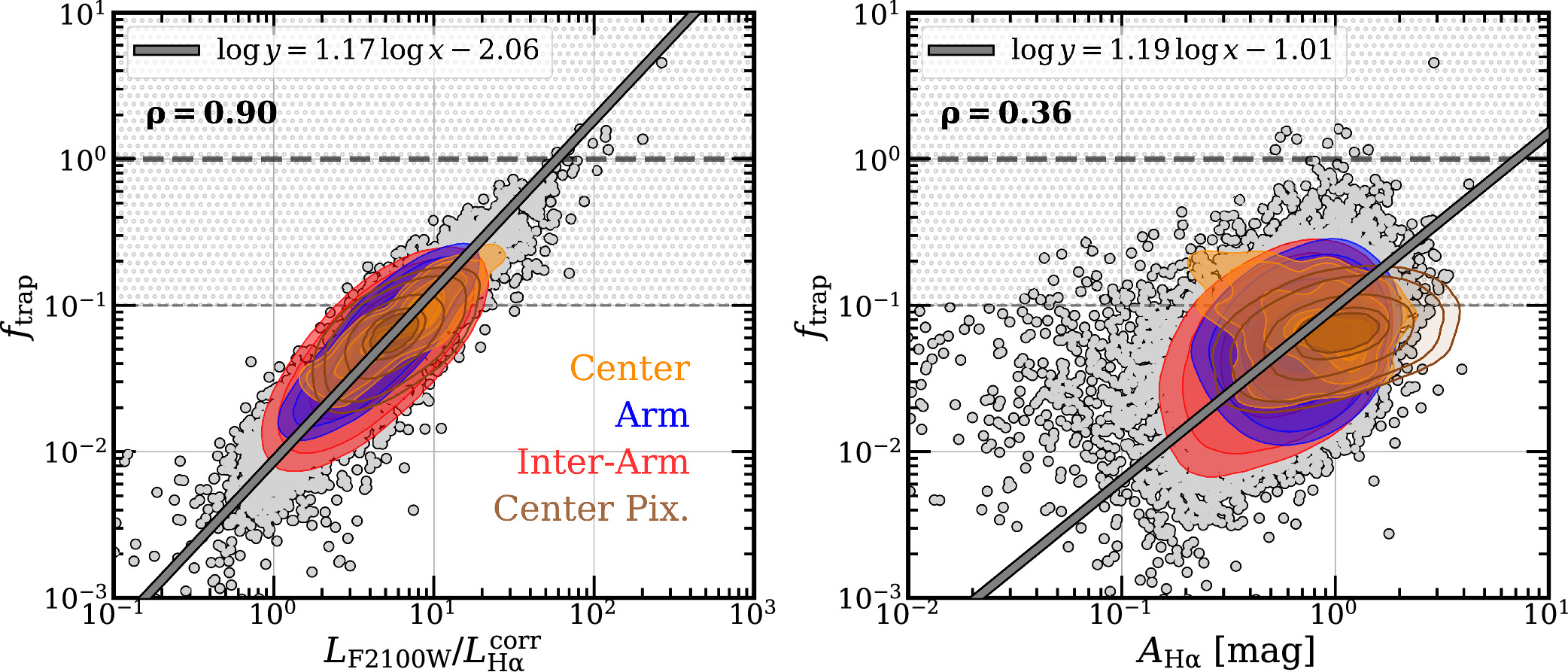
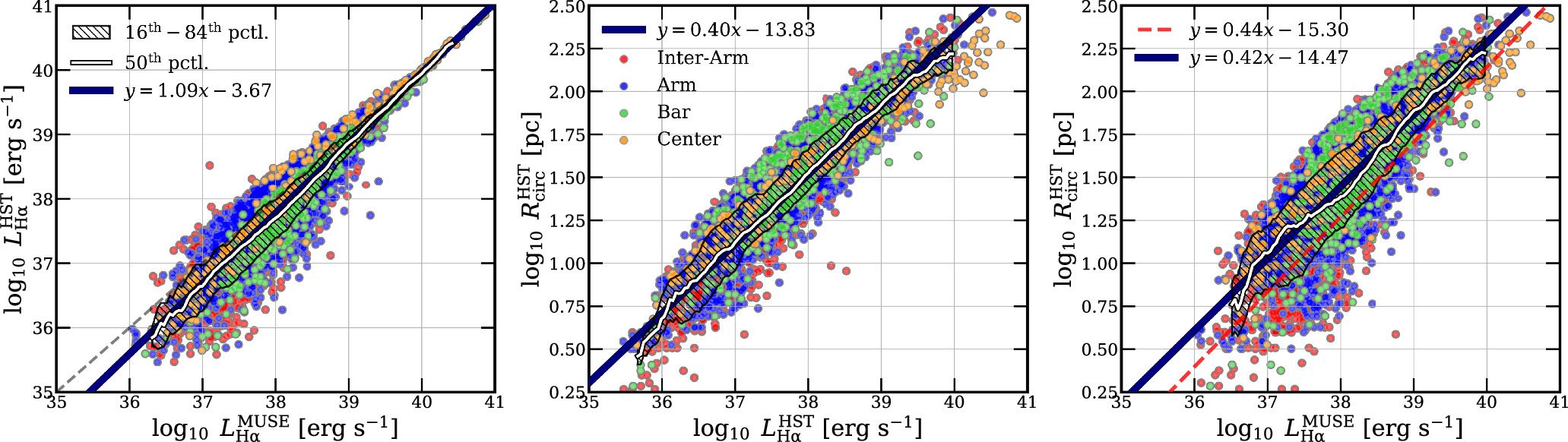
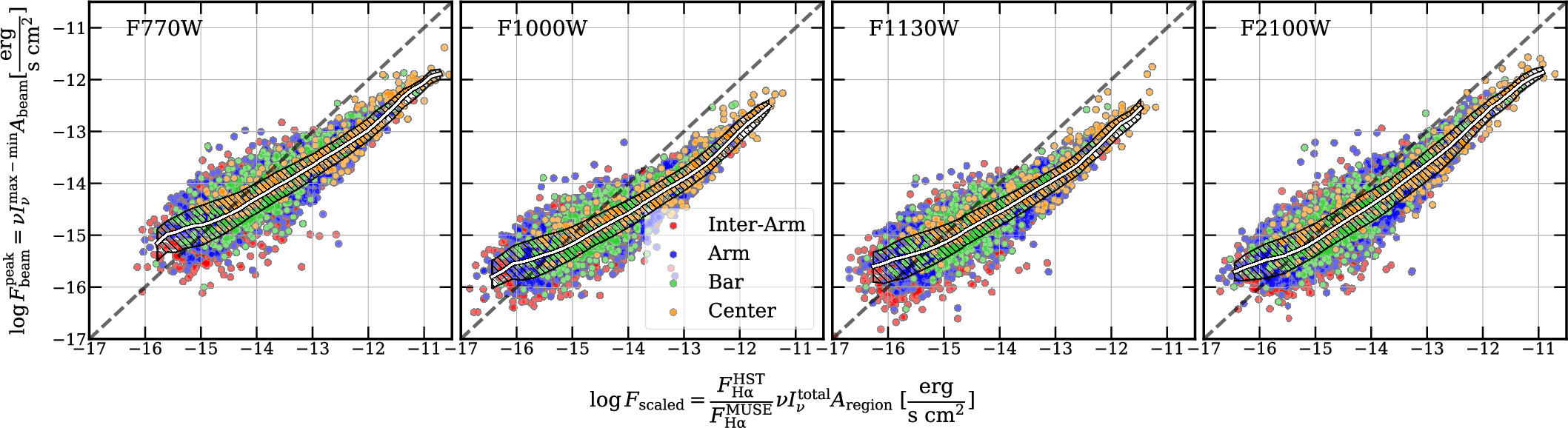
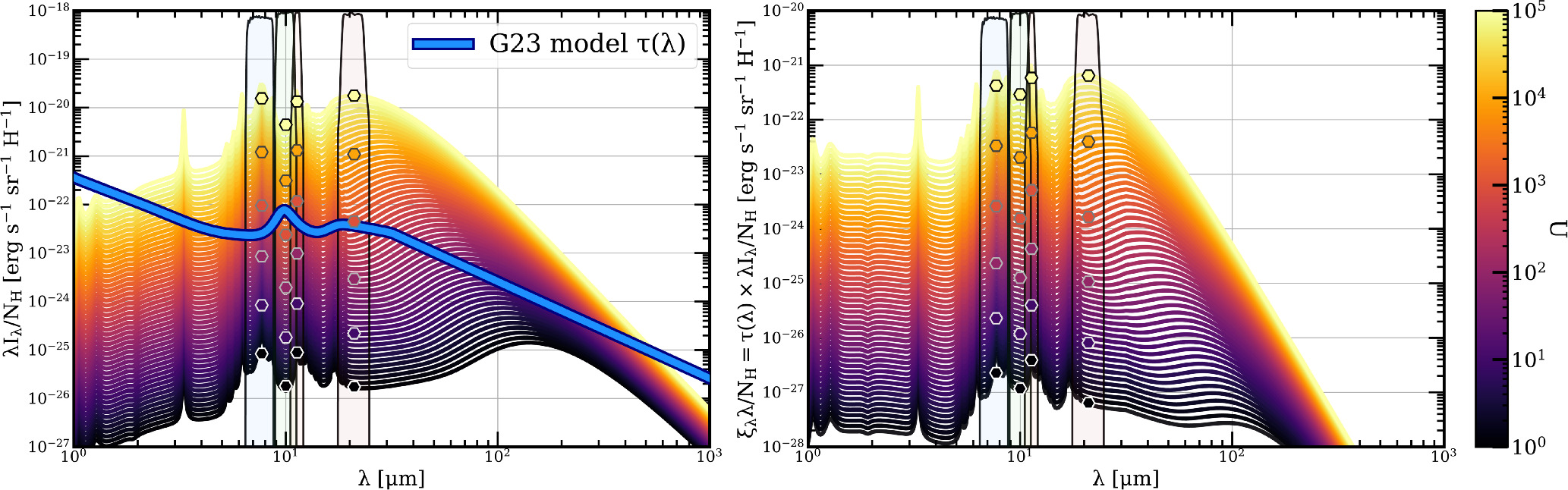
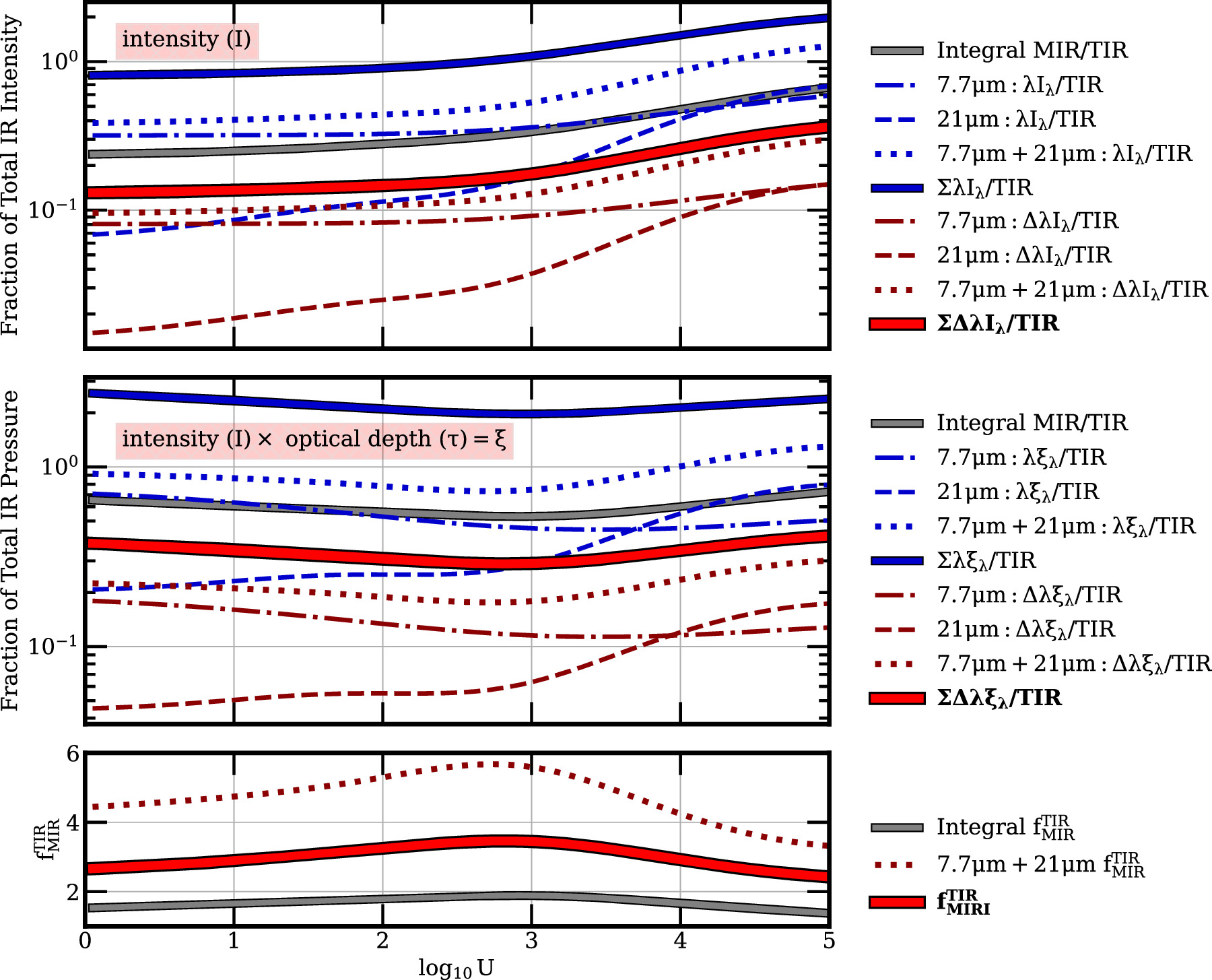
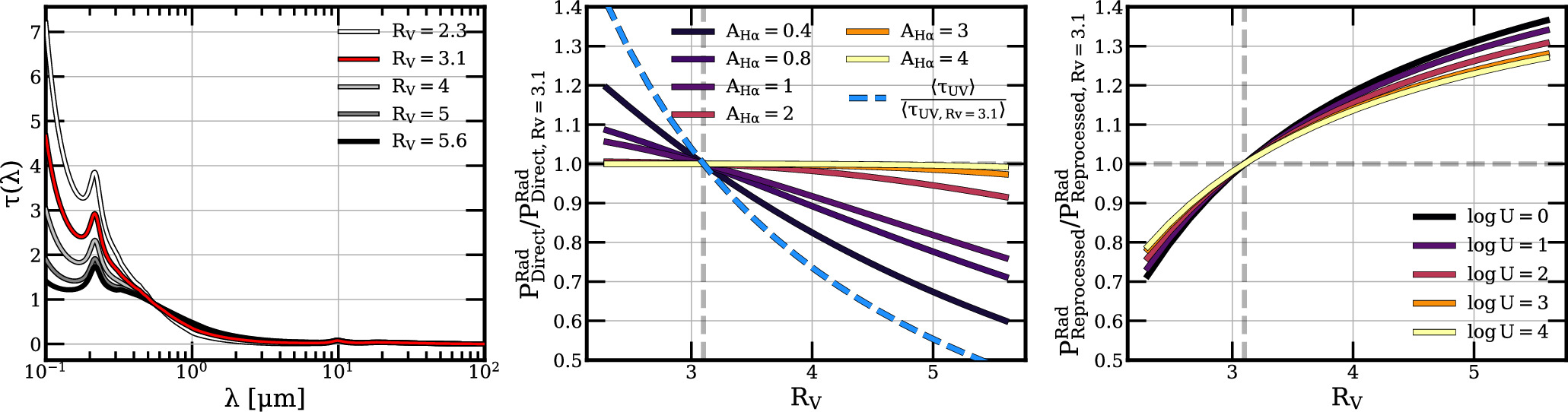
Radiation pressure is a key mechanism by which stellar feedback disrupts molecular clouds and drives H II region expansion. This includes direct radiation pressure exerted by UV photons on dust grains, pressure associated with photoionization, and infrared (IR) radiation pressure on grains due to dust-reprocessed IR photons. We present a new method that combines high-resolution mid-IR luminosities from JWST-MIRI, optical attenuation, and nebular line measurements from the Very Large Telecope Multi-Unit Spectroscopic Explorer (VLT-MUSE), and the Hubble Space Telescope (HST) Hα-based region sizes to estimate the strength of radiation pressure in ≍18,000 H II regions across 19 nearby star-forming galaxies. This is the most extensive and direct estimate of these terms beyond the Local Group to date. In the disks of galaxies, we find that the total reprocessed IR pressure is on average 5% of the direct UV radiation pressure. This fraction rises to 10% in galaxy centers. We expect reprocessed IR radiation pressure to dominate over UV radiation pressure in regions where

Published in The Astrophysical Journal, Volume 989, Issue 2, id.178, 18 pp., 2025
with Charlotte R. Christensen, Alyson M. Brooks, Ferah Munshi, et al.
Download Paper | See in ADS | See Figures
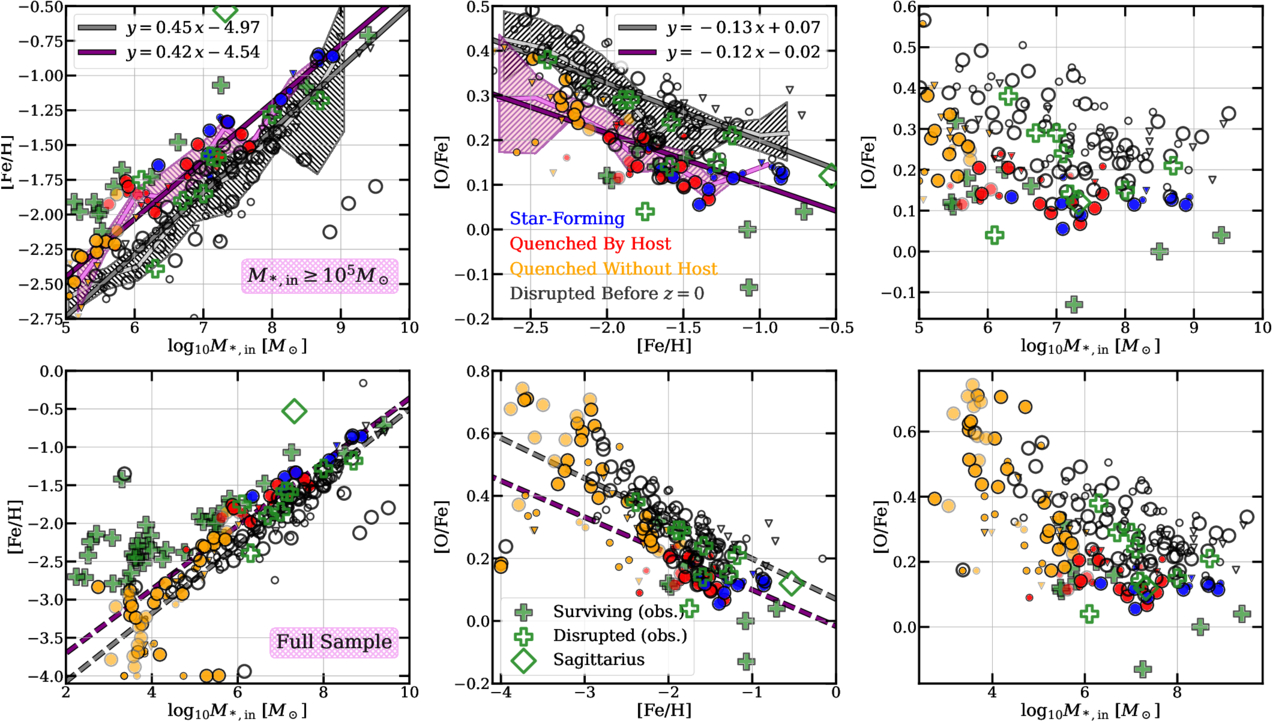
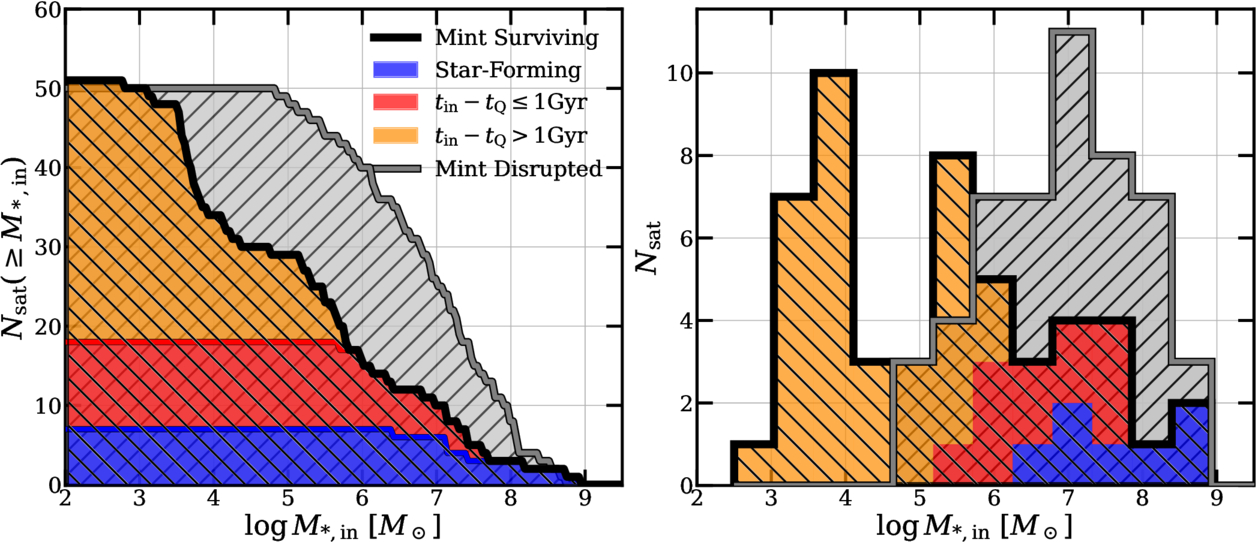
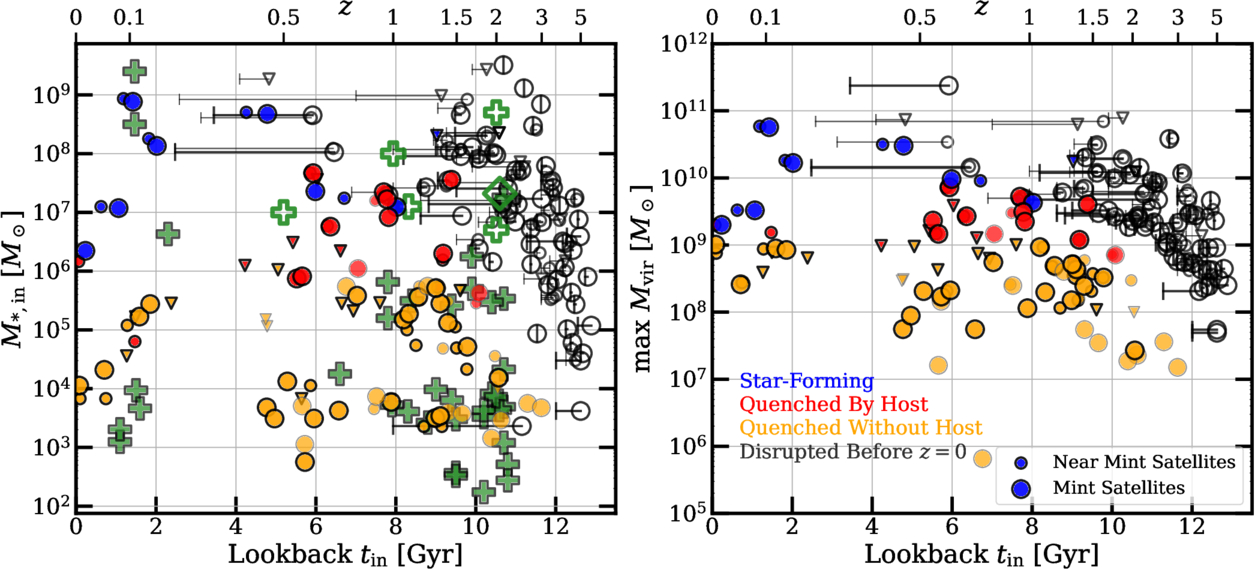
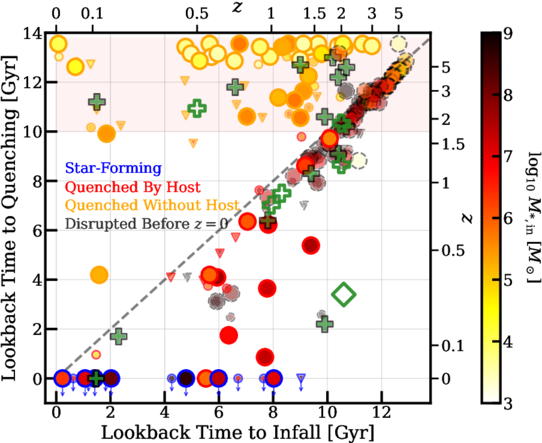
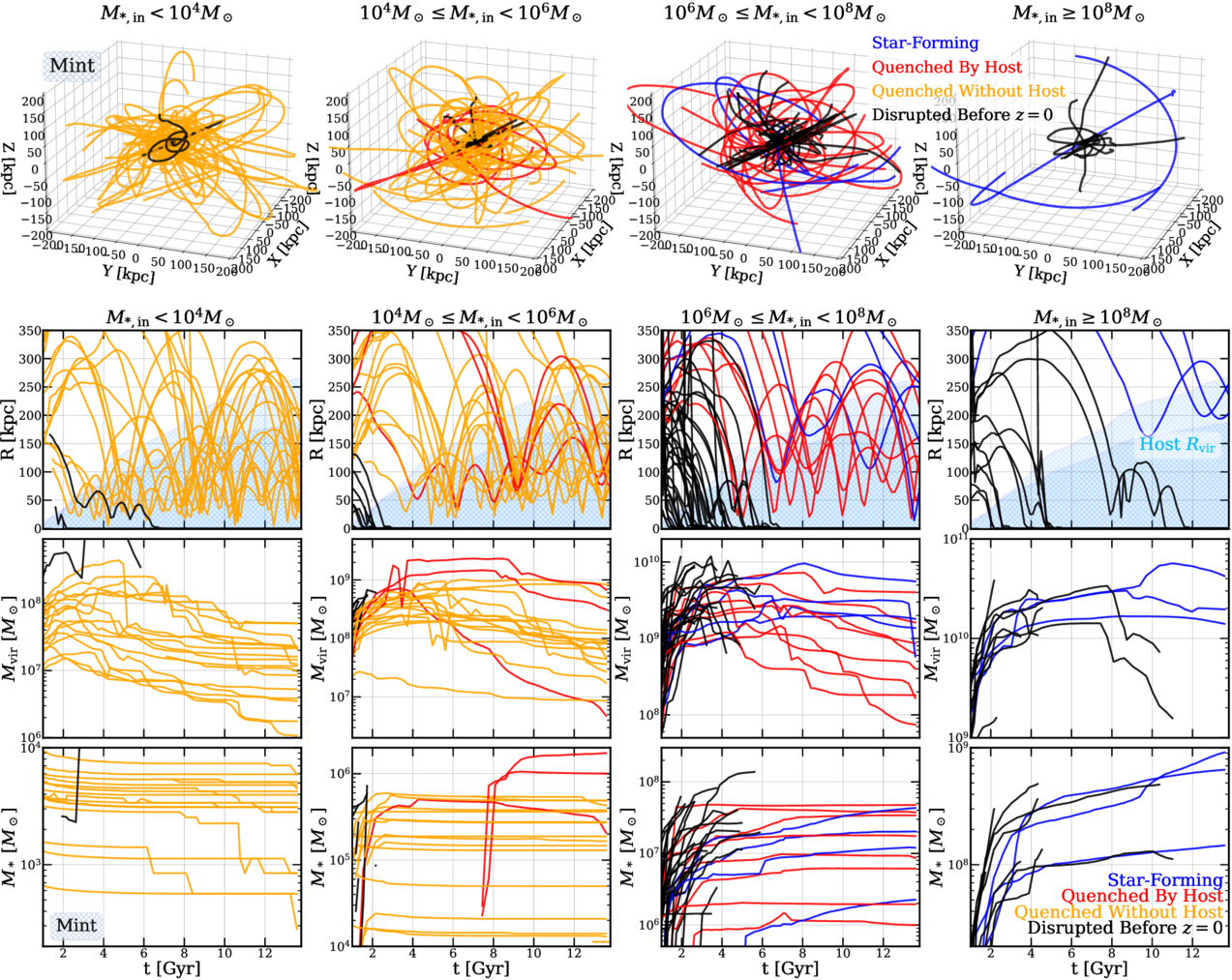
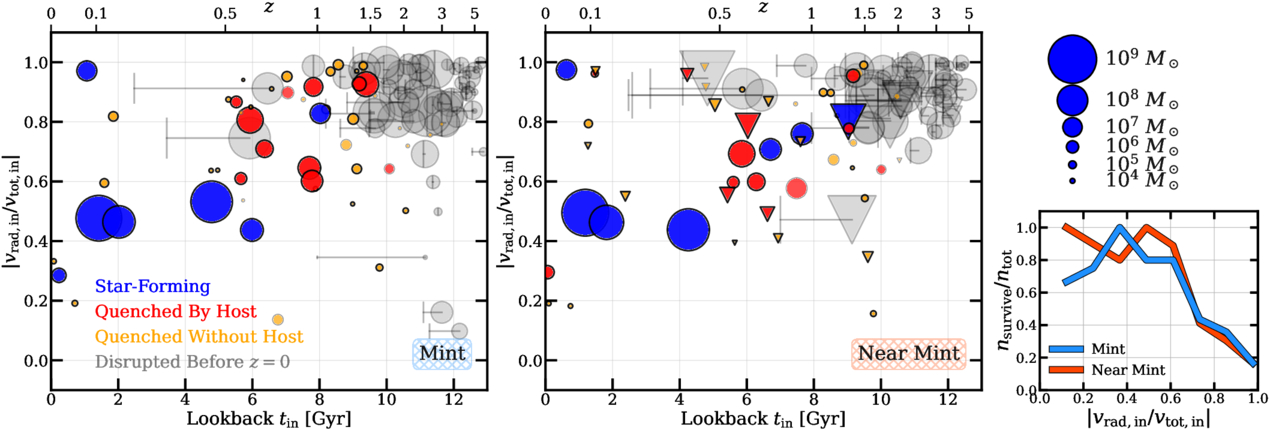
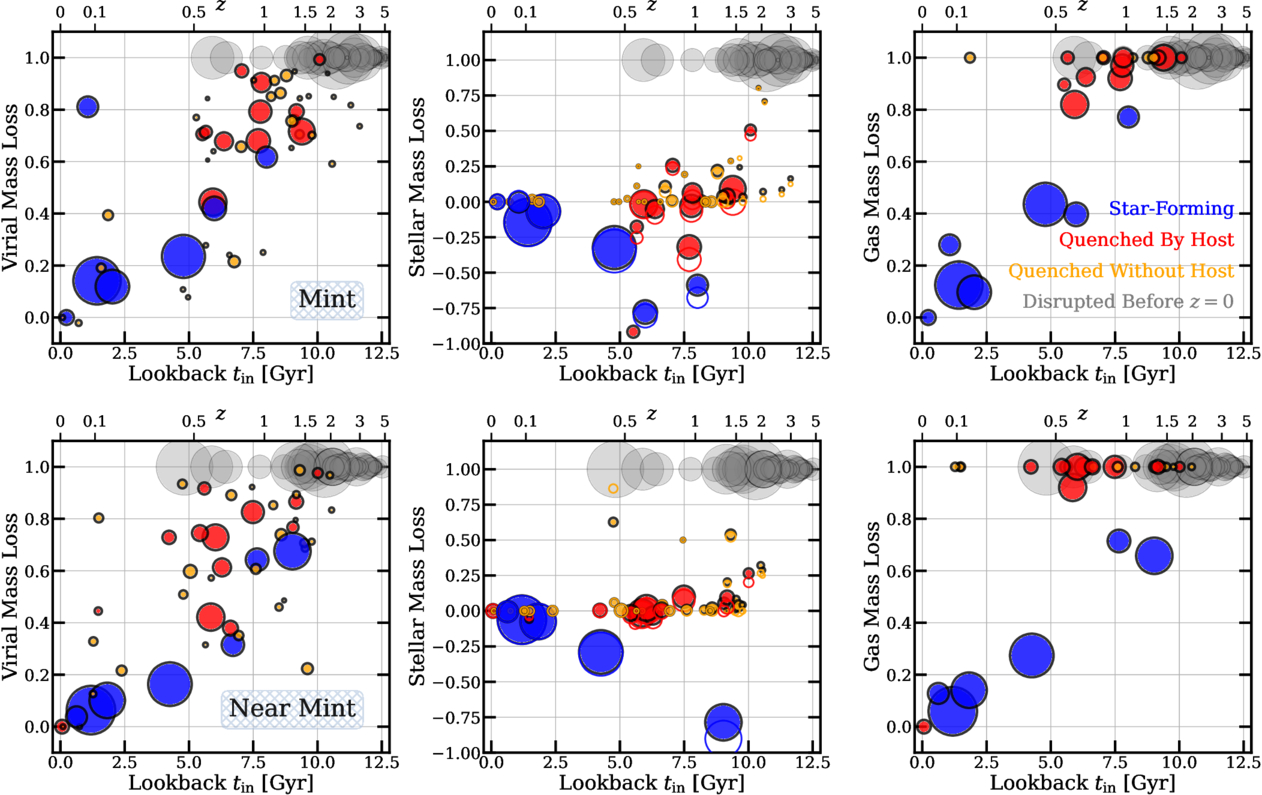
It is necessary to understand the full accretion history of the Milky Way in order to contextualize the properties of observed Milky Way satellite galaxies and the stellar halo. This paper compares the dynamical properties and star formation histories of surviving and disrupted satellites around Milky Way─like galaxies using the D.C. JUSTICE LEAGUE suite of very high-resolution cosmological zoom-in simulations of Milky Way analogs and their halo environments. We analyze the full census of galaxies accreted within the past 12 Gyr, including both surviving satellites at z = 0, and dwarf galaxies that disrupted and merged with the host prior to z = 0. Our simulations successfully reproduce the trends in M*−[Fe/H]−[α/Fe] observed in surviving Milky Way satellites and disrupted stellar streams, indicating earlier star formation for disrupted progenitors. We find the likelihood and timescales for quenching and disruption are strongly correlated with the mass and time of infall. In particular, none of the galaxies accreted more than 12 Gyr ago survived, and only 20% of all accreted galaxies with M* > 108 M⊙ survive. Additionally, satellites with highly radial trajectories are more likely to quench and disrupt. Disruption proceeds quickly for ≥106 M⊙satellites accreted 10─12 Gyr ago, often on timescales similar to the ∼300 Myr snapshot spacing. For high-mass satellites, the disruption timescale is faster than the quenching timescale. As a result, 92% of disrupted galaxies remain star forming up until disruption. In contrast, ultrafaint dwarfs (UFDs) tend to quench prior to accretion, and 94% of UFDs accreted up to 12 Gyr ago survive at z = 0.
Published in The Astrophysical Journal Letters, Volume 993, Issue 1, id.L20, 14 pp., 2025
with Adam K. Leroy, Ashley. T. Barnes, Todd A. Thompson, et al.
Download Paper | See in ADS | See Figures
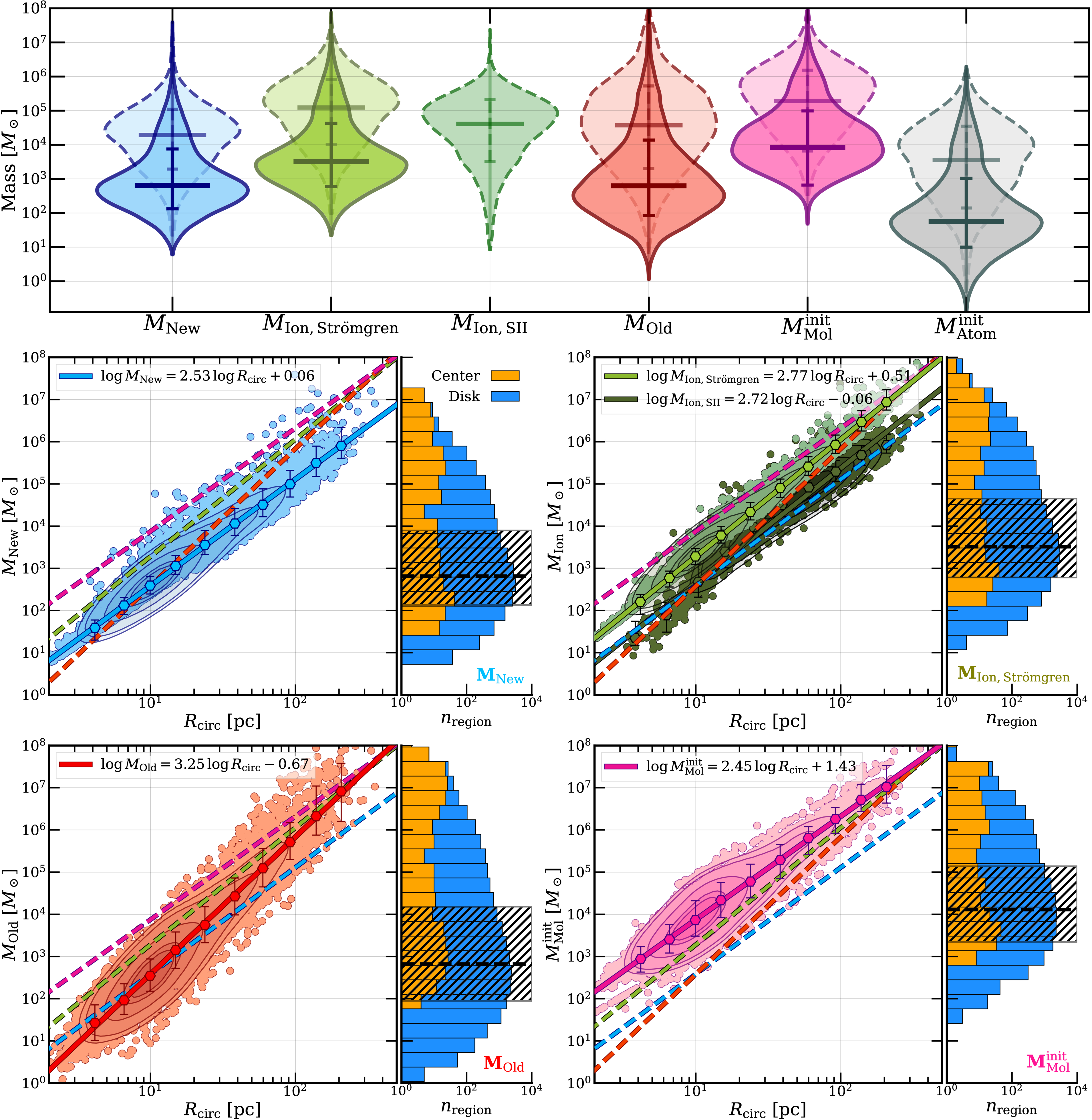
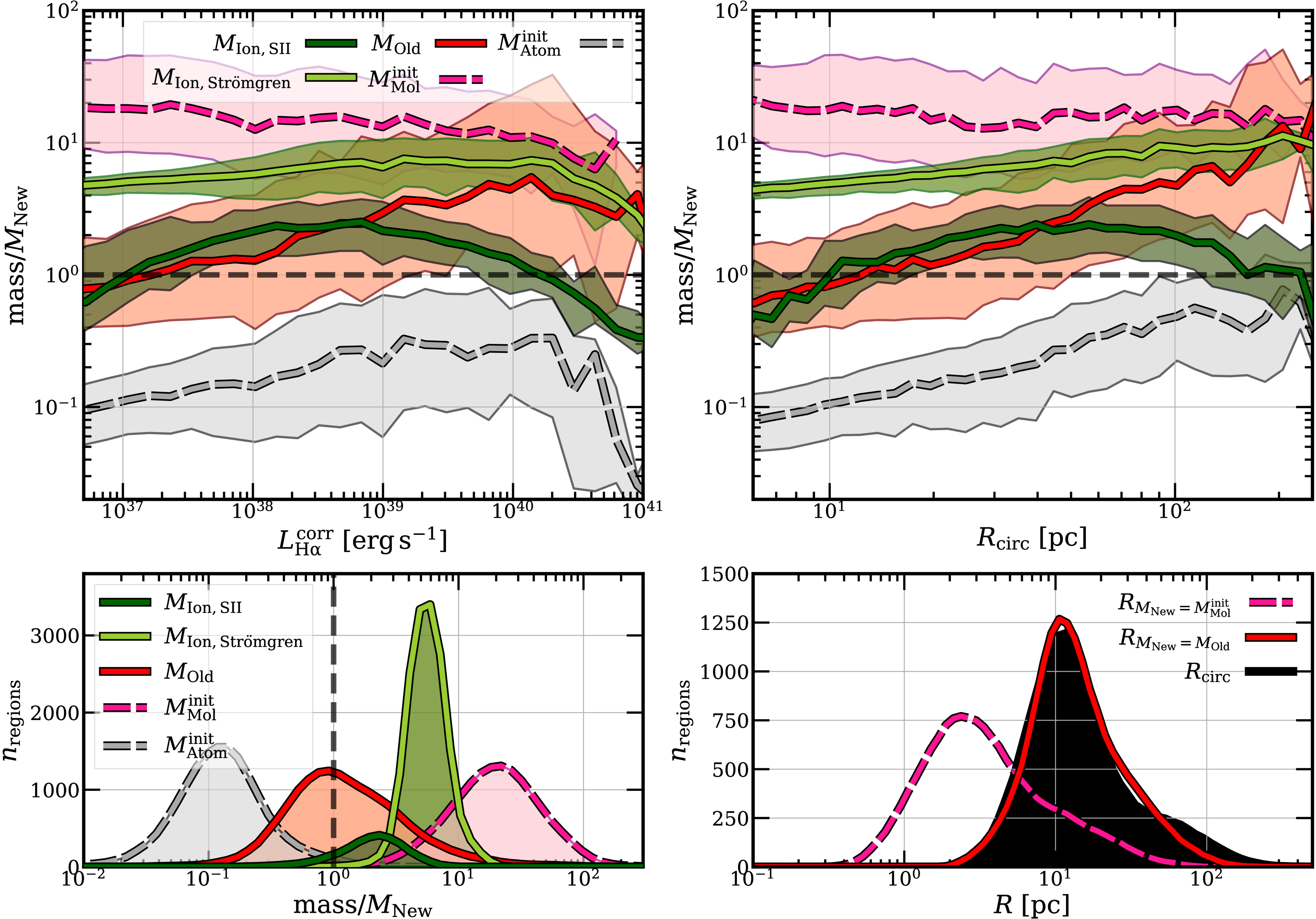
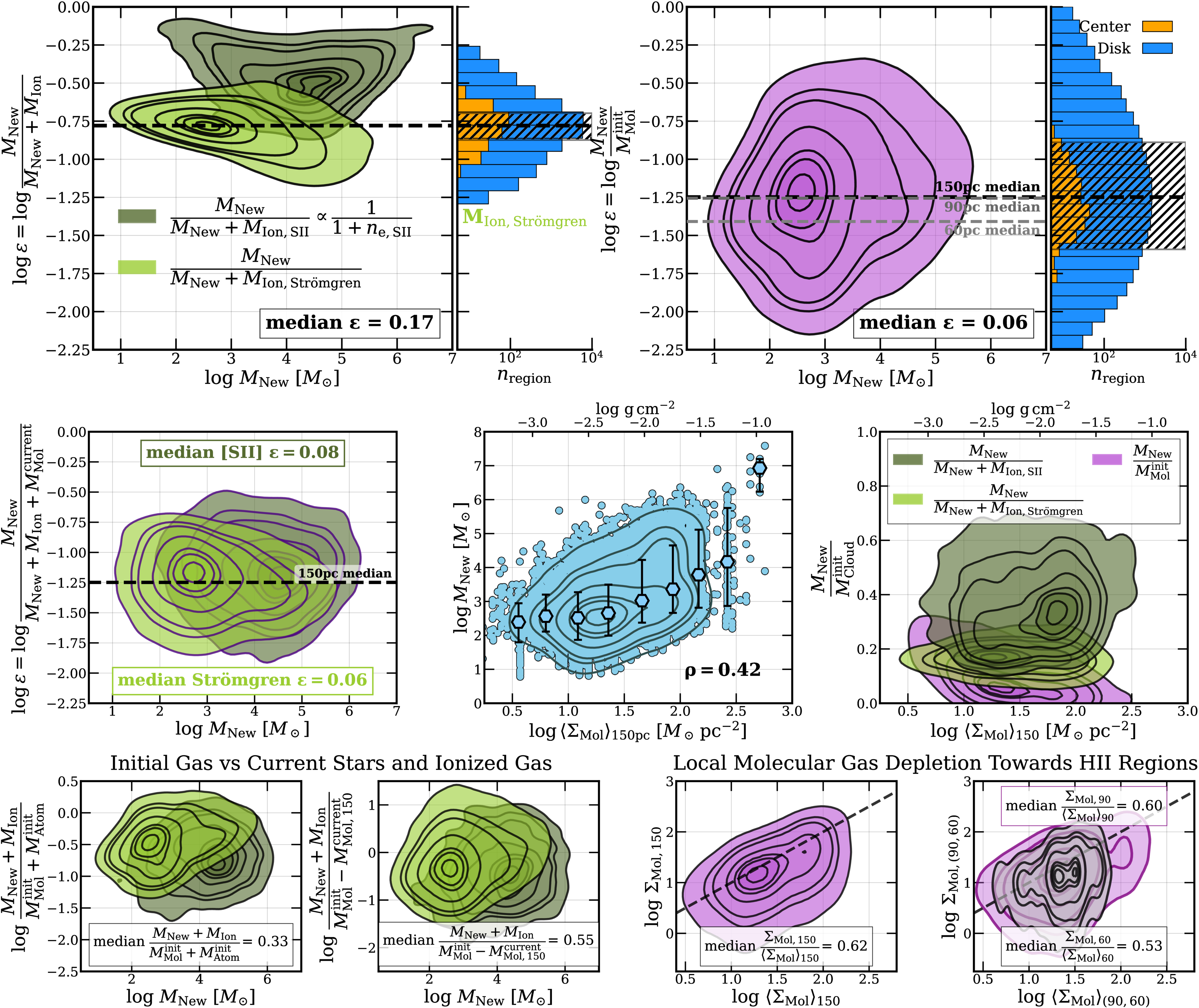
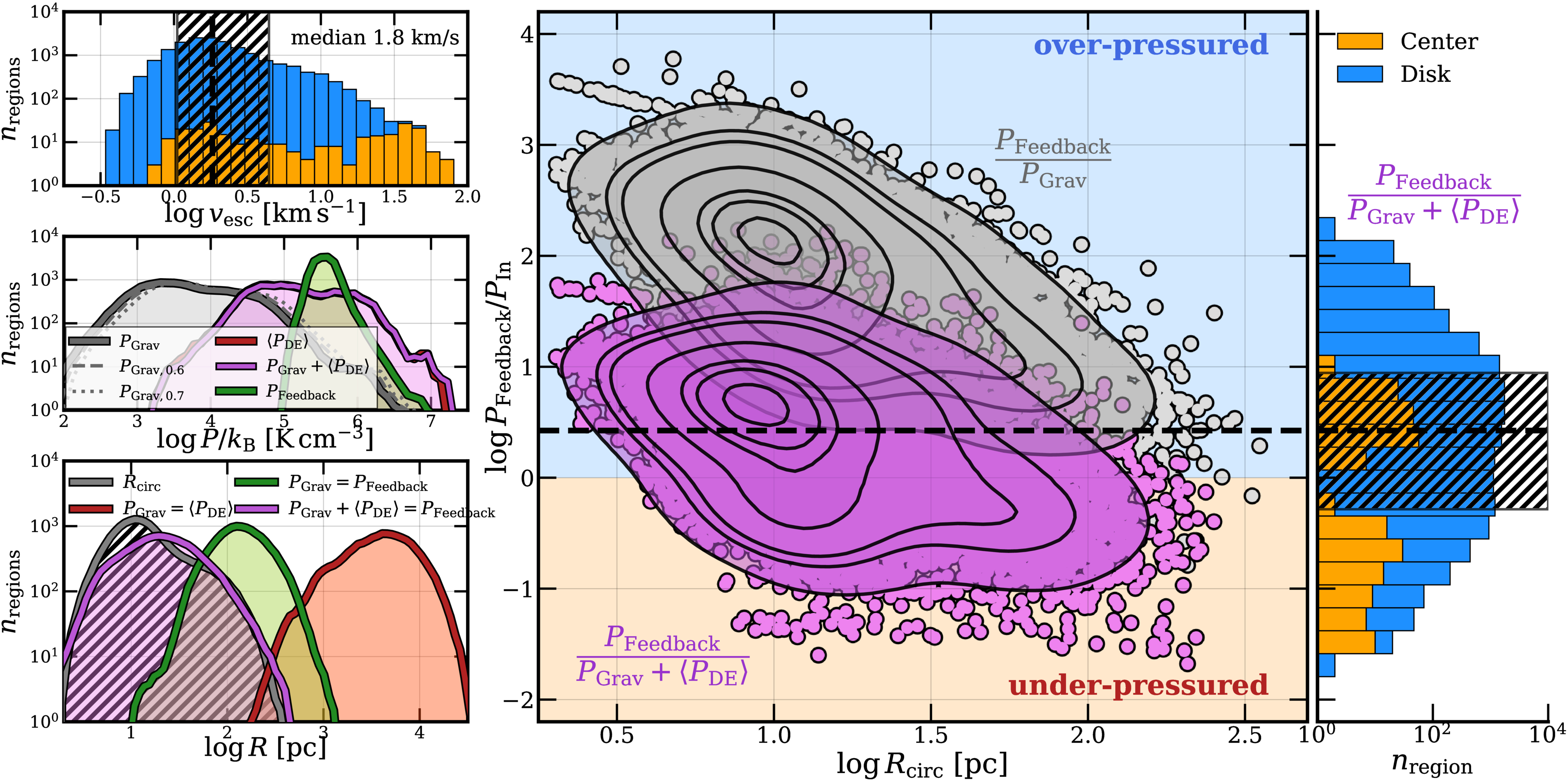
We present measurements of the masses associated with ∼18,000 H II regions across 19 nearby star-forming galaxies by combining data from JWST, Hubble Space Telescope, MUSE, Atacama Large Millimeter/submillimeter Array, Very Large Array, and MeerKAT from the multiwavelength PHANGS survey. We report 10 pc-scale measurements of the mass of young stars, ionized gas, and older disk stars coincident with each H II region, as well as the initial and current mass of molecular gas, atomic gas, and swept-up shell material, estimated from lower-resolution data. We find that the mass of older stars dominates over young stars at ≳10 pc scales, and ionized gas exceeds the stellar mass in most optically bright H II regions. Combining our mass measurements for a statistically large sample of H II regions, we derive 10 pc-scale star formation efficiencies of ≍6%─17% for individual H II regions. Comparing each region's self-gravity with the ambient interstellar medium (ISM) pressure and total pressure from presupernova stellar feedback, we show that most optically bright H II regions are overpressured relative to their own self-gravity and the ambient ISM pressure and that they are hence likely expanding into their surroundings. Larger H II regions in galaxy centers approach dynamical equilibrium. The self-gravity of regions is expected to dominate over presupernova stellar feedback pressure at ≳130 and 60 pc scales in galaxy disks and centers, respectively, but is always subdominant to the ambient ISM pressure on H II region scales. Our measurements have direct implications for the dynamical evolution of star-forming regions and the efficiency of stellar feedback in ionizing and clearing cold gas.
Published in The Astrophysical Journal, Volume 1008, Issue 1, id.35, 23 pp., 2026
with Karin M. Sandstrom, Adam K. Leroy, Ryan Chown, et al.
Download Paper | See in ADS | See Figures
We present 50─100 pc-resolution JWST/MIRI and NIRCam measurements of mid-infrared (mid-IR) color variations in the diffuse interstellar medium (ISM) of 71 nearby star-forming galaxies from the PHANGS-JWST survey. Mid-IR emission traces the dust column density, intensity (U) and hardness of the interstellar radiation field, and the physical state (charge, size) and abundance of polycyclic aromatic hydrocarbons (PAHs). Mid-IR colors that trace PAH band ratios remain fairly constant in the diffuse ISM of star-forming disks. However, they show stark variations in extreme environments: highly star-forming central molecular zones (CMZs) and star formation deserts/quiescent bulges. In CMZs, PAH-to-continuum (3.3/21, 7.7/21, and 11.3/21 μm) and the 10/21 μm continuum colors are 0.2─0.4 dex lower than in normal disks. We attribute this to higher U based on the far-infrared dust colors and the high 21 μm/ΣMol, which we suggest to be a good tracer of U outside star-forming regions. Meanwhile, star formation deserts show low 7.7 μm PAH emission, resulting in low 7.7/21 μm and 7.7/11.3 μm, while all other mid-IR colors remain typical. This suggests the presence of more neutral PAHs in star formation deserts, where low 7.7 μm likely reflects ISM conditions similar to early-type and elliptical galaxies. All environments form part of a continuous trend in 7.7/11.3 μm versus specific star formation rate.
Published:
This is a description of your talk, which is a markdown file that can be all markdown-ified like any other post. Yay markdown!
Published:
This is a description of your conference proceedings talk, note the different field in type. You can put anything in this field.
Undergraduate course, University 1, Department, 2014
This is a description of a teaching experience. You can use markdown like any other post.
Workshop, University 1, Department, 2015
This is a description of a teaching experience. You can use markdown like any other post.


